
Reviewed 21 October 2026. Practical guidance from ECOPROCORK; confirm the specification for your project.
Advice & Guides · Reviewed 21 October 2026
Use recurrence to test whether the remedy addressed the cause
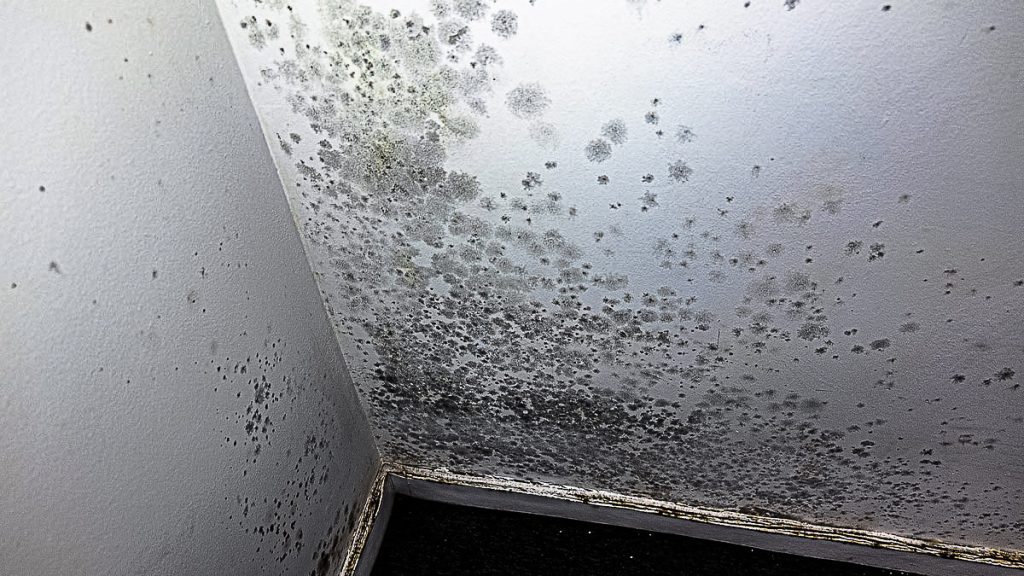
This guide is for a wall where mould has returned after cleaning, painting or earlier work. Compare dated photographs and record what changed: repairs, ventilation, heating, coatings and room use. Check whether growth returns to the same corner, behind furniture, around reveals or near a known leak. These observations guide an assessment; they do not diagnose the wall on their own.
Ask the assessor to explain which moisture source or cold detail was found, what the proposed work addresses and how the result will be checked. If a TLICS treatment is proposed, read the installation specification guide; for the complete choice of remedies, use the black-mould decision guide. Send the findings and earlier repair history so the technical team can discuss a suitable next step.
Read the assessment and supporting guidance below.
Repeated growth needs a wider investigation
Cleaning removes visible growth but does not necessarily resolve the moisture conditions behind it. Recurring mould can be associated with condensation, leaks, water ingress, inadequate heating, poor ventilation or several factors together. A cold wall is an important question, not a complete diagnosis.
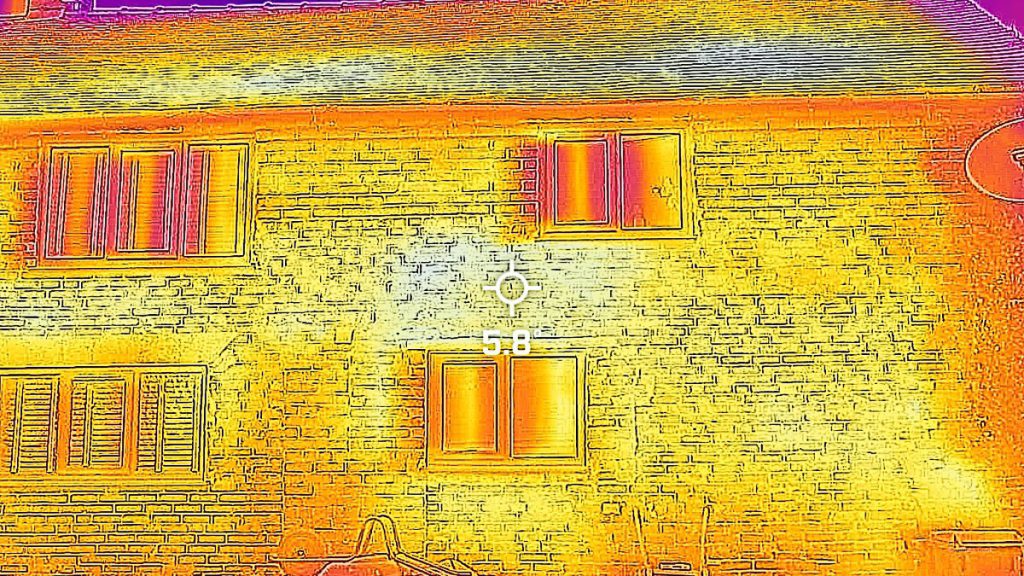
Condensation and surface conditions
Condensation can occur when moist air contacts a sufficiently cold surface. Risk varies with the building, moisture loads, heating, ventilation and the duration of damp conditions. A single humidity percentage is not a universal threshold that predicts mould in every room.
Record the pattern
Note which rooms and surfaces are affected, when symptoms occur, any leaks or defects, and what previous treatment changed. Check ventilation provision and operation as part of a competent assessment. Occupant activities can influence humidity, but the article does not attribute the problem to occupants or excuse building defects.
Address the cause and follow up
Agree repairs and an appropriate ventilation, heating and fabric strategy before choosing a finish. Cleaning or painting alone may be insufficient. Check whether the proposed work also addresses junctions, existing coatings and hidden moisture risks; review the result after installation.
Where thin cork treatments may be considered
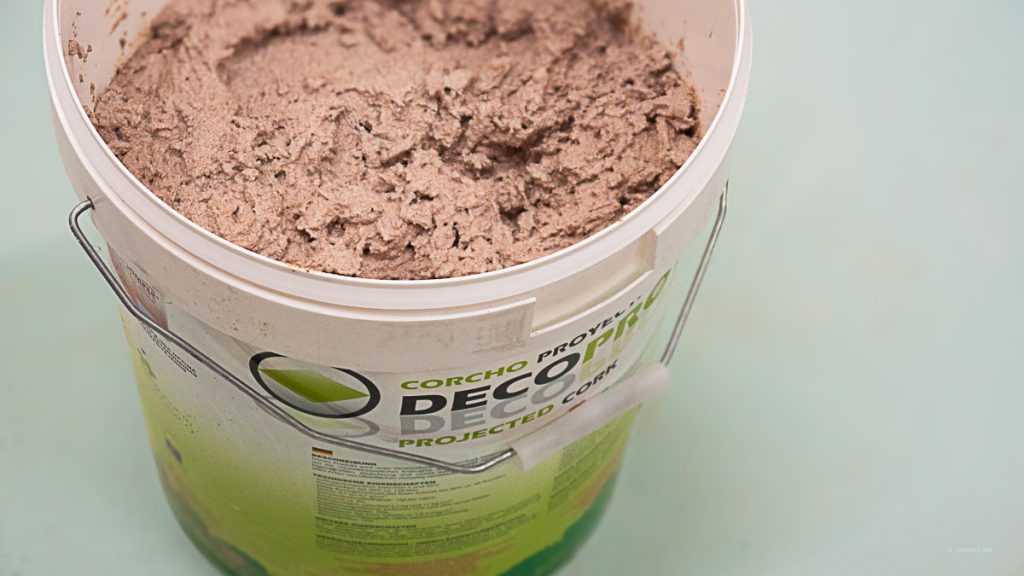
A specified TLICS™ build-up using DECO 00 FINO may be considered for a suitable cold-wall project. Compare its thermal contribution with other options and confirm the complete moisture design. A permeable formulation does not guarantee that the wall remains dry or that mould will never recur.
A better next question
Ask what the investigation found and which causes the proposed remedy addresses. Review the product documents and discuss the current specification. Surface-temperature improvement is one possible part of the plan, not the only variable.
Sources and further reading
- Government damp-and-mould guidance
- Historic England: internal wall insulation
- Historic England: Assessing Damp in Historic Buildings (July 2026)
- ECOPROCORK technical document library
Sources checked on 14 October 2026. Product summaries and general advice do not replace the relevant full reports, current manufacturer instructions or project assessment.
View the original article images
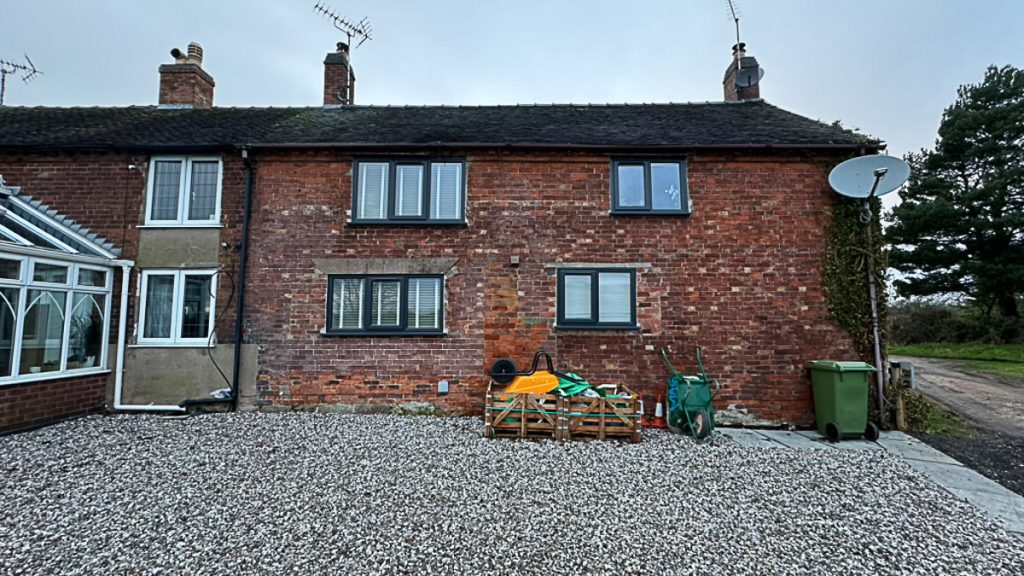
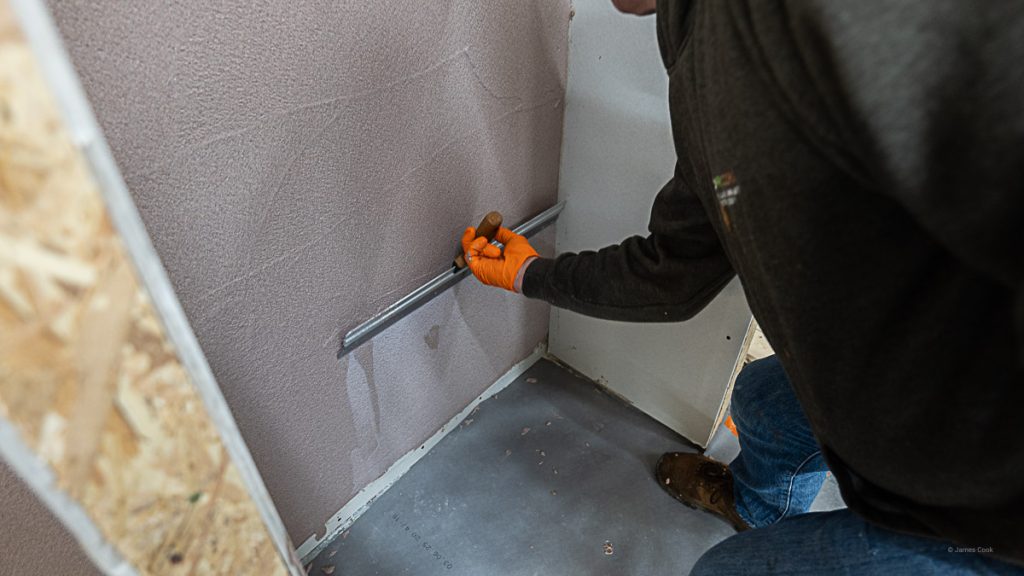
These images provide application or project context. They are not independently verified instructions or proof of a measured outcome.

Choose a relevant local enquiry
She Plasters: Croydon and South East London, TLICS only · Andy Mudge: Plymouth · Global: South Wales · Bobby Hay: Cannock · Nicholson: Retford. Confirm postcode, capacity and the assessed system.
Find guidance for wall and roof problems · Check local applicator availability
Plan your next step
Use project images and articles as a starting point. Check the current evidence and suitability for your building before agreeing a specification.


