Advice & Guides · Reviewed 21 October 2026
A practical decision guide for black mould and cold walls
Start by identifying why the surface stays damp. This guide brings together the assessment route for homeowners, landlords and housing teams. Recurring mould after treatment, paint selection and a specified TLICS build-up are separate questions, with their own supporting guides.
Choose the remedy after the investigation
- Leaks or penetrating moisture: repair the source and establish suitable drying and making-good before covering the wall.
- Cold surfaces and condensation: assess heating, ventilation, moisture loads, wall construction and junctions together.
- A surface finish: consider DECOCORK only within a suitable remedial plan. Paint does not replace the work needed to resolve defects.
- A thin internal treatment: discuss TLICS, the trowel-able layered insulating cork system route, using DECO 00 FINO where specified. Confirm all layers and compatible finishes.
- A larger thermal upgrade: compare a designed internal insulation system against the required heat-loss outcome and moisture risk.
Make the survey useful
Record the affected rooms, wall construction where known, location of staining, seasonal pattern and earlier work. An assessor should consider external defects, ventilation provision, heating and cold junctions. Room humidity and surface temperature records can help explain the pattern; a single reading or photograph does not establish the cause.
Agree what success means
Set out the repairs, intended surface or thermal improvement, inspection arrangements and follow-up. Customer comfort reports and exterior photographs do not prove a measured internal mould outcome. The Harborne project offers exterior follow-up evidence, with its internal measurements and inspection limits stated.
Government guidance asks housing providers to act on damp and mould and address underlying causes. Housing teams can discuss assessment and project records with ECOPROCORK. Send photographs and the investigation findings to discuss the appropriate cork route, or request an applicator for your postcode and proposed scope.
Start with the building
Recurring mould needs its moisture causes investigated. Condensation on cold surfaces may contribute, but leaks, penetrating damp, other building defects, inadequate ventilation and heating can also matter. Do not diagnose the cause from a photograph or assume that a wall coating will remove it.
A practical remedial plan
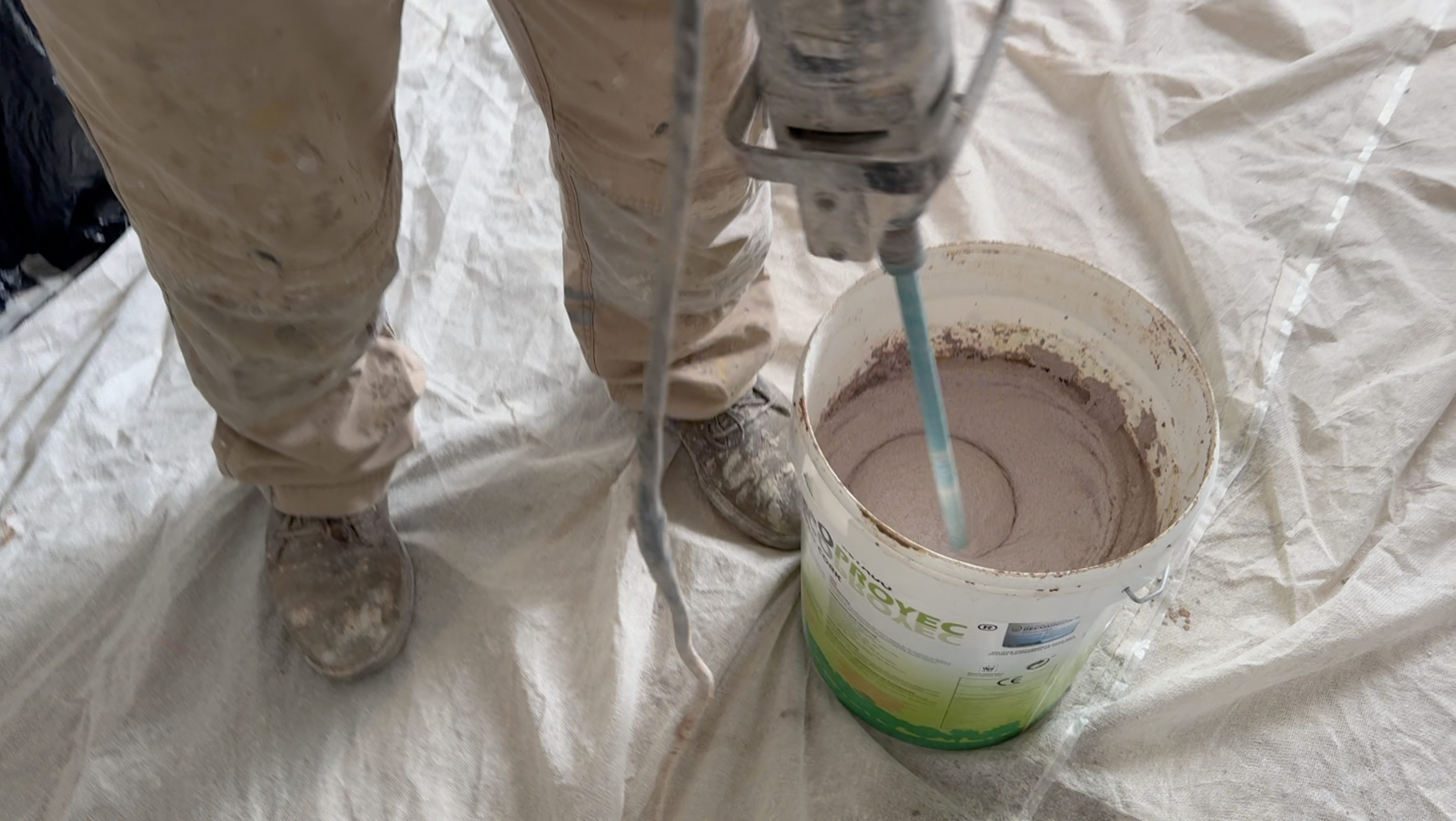
Record affected rooms, timing, visible defects and any earlier repairs. Have the building and ventilation assessed, agree appropriate repairs and treatment, and follow up after the work. Cleaning visible growth is only one part of managing recurrence. Persistent or extensive mould needs a competent assessment rather than repeated repainting.
Where cork may fit
A specified cork treatment may be considered for a suitable cold-wall project within the wider plan. Compare DECOCORK paint with a DECO 00 FINO trowel-applied build-up using their own documents. A paint is not the same as an insulation system, and neither should be sold as a guaranteed cure for mould.
Specify the full build-up
Confirm the substrate, moisture condition, preparation, compatible layers, installed thickness and curing requirements. A severe mould problem does not automatically justify stripping plaster or adding a waterproof membrane. Such work needs a design appropriate to the wall, especially in solid-wall or historic buildings.
What the evidence must establish
Request product-specific thermal, vapour, safety and fire information, plus any whole-wall calculation needed for the project. Do not infer non-combustibility, zero emissions, fixed bill savings or permanent mould prevention from cork content alone. Photographs and customer reports describe individual installations.
For landlords and housing teams
Use the government guidance for housing providers to plan investigation and remediation. The legal requirements depend on the jurisdiction and tenancy; purchasing a product does not establish compliance. This article offers building-product guidance, not a legal determination.
Talk to the team
Share the property location, construction where known, photographs, recurring symptoms and investigations already completed. ECOPROCORK can discuss product documents, application routes and training. Agree the building assessment and expected outcome before specifying a system.
Sources and further reading
- Government damp-and-mould guidance
- Energy Saving Trust: solid-wall insulation
- Historic England: internal wall insulation
- ECOPROCORK technical document library
Sources checked on 14 October 2026. Product summaries and general advice do not replace the relevant full reports, current manufacturer instructions or project assessment.
View the original article images
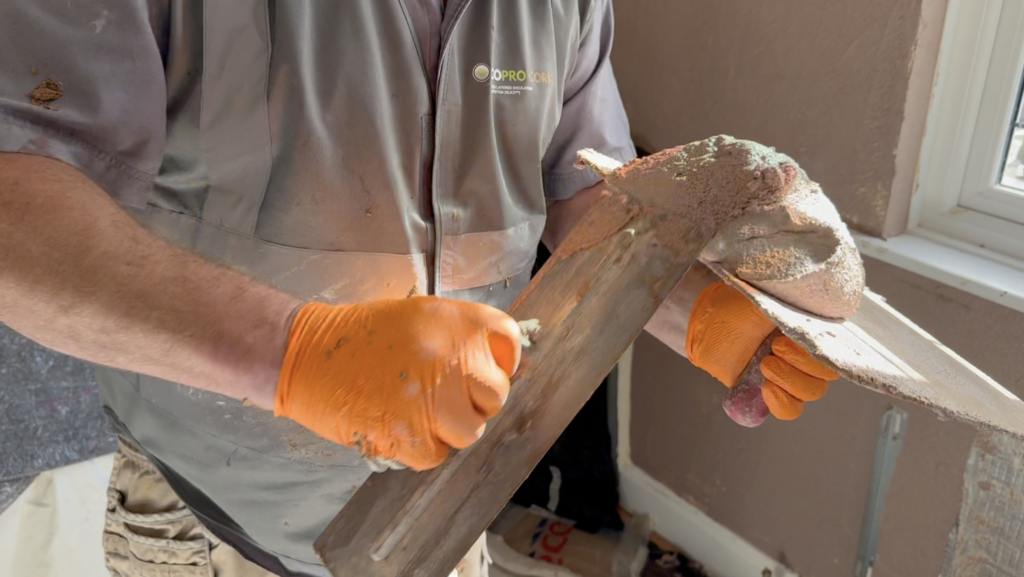
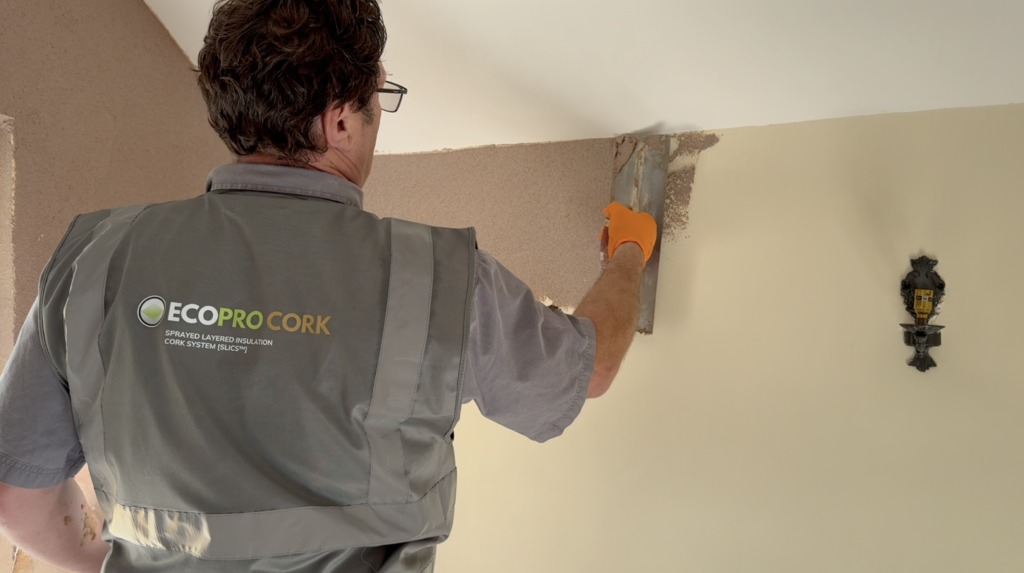
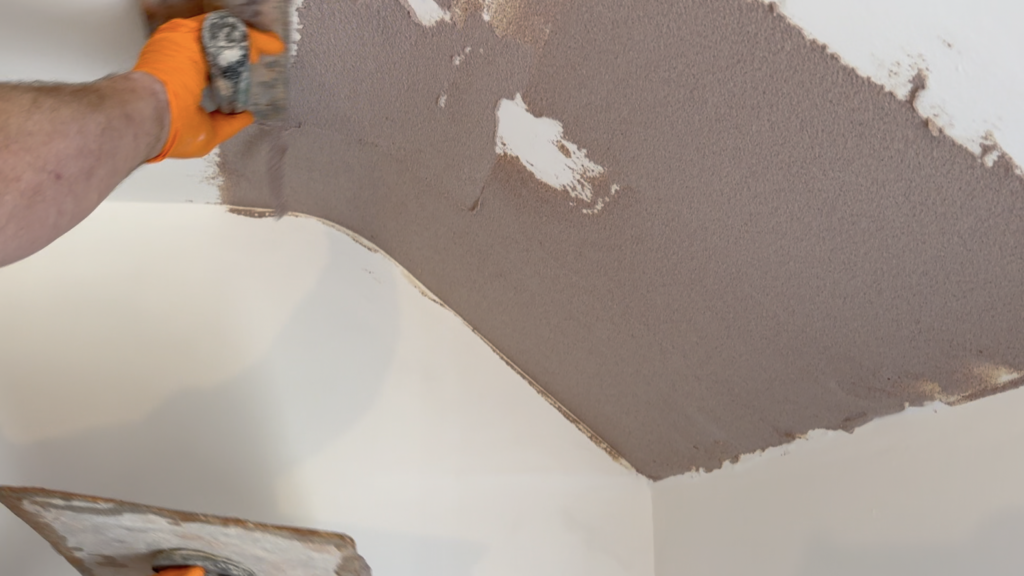
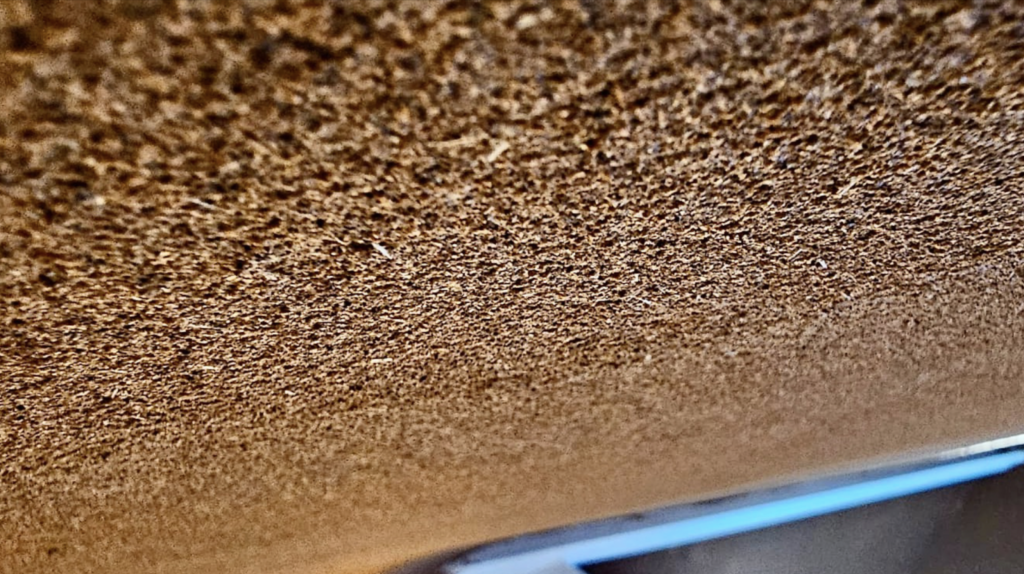
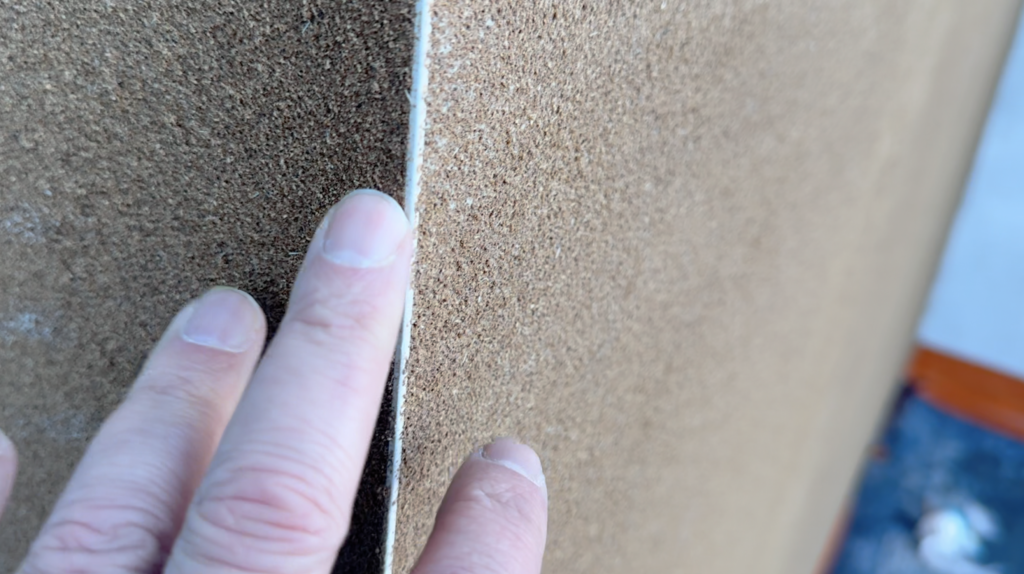
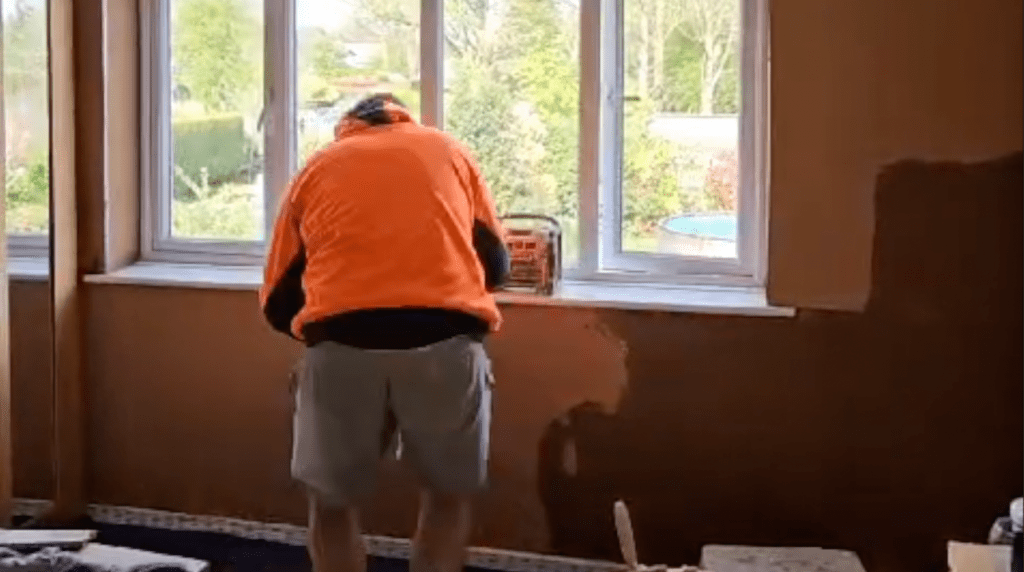
These images provide application or project context. They are not independently verified instructions or proof of a measured outcome.
Paint, thin treatment or thicker insulation?
Cork paint, trowel-applied cork and thicker internal insulation are different options. Compare the thermal contribution and moisture implications for the complete wall; avoid assuming equal performance from different thicknesses or materials. For a brush or roller project, use the DECOCORK DIY black mould and condensation guide, then read the application instructions and calculate how many 10 kg buckets to buy.
Find the right local contact
For Croydon and South East London, She Plasters offers TLICS-only enquiries. Also check Andy Mudge in Plymouth, Global in South Wales, Bobby Hay in Cannock or Nicholson in Retford. Each must confirm postcode, suitability and capacity.
Find guidance for wall and roof problems · Check local applicator availability
Plan your next step
Use project images and articles as a starting point. Check the current evidence and suitability for your building before agreeing a specification.