Compare the systems
Separate decorative coatings, internal cork treatments and deeper insulation upgrades before selecting an approach.
Compare systems →
ECOPROCORK® · Architects, specifiers & property teams
System guidance for housing, public-sector and commercial projects. Start with the building, intended outcome and evidence required for the complete specification.

Evidence before selection
Check that each document applies to the proposed product, substrate, thickness and complete build-up. A product value or project photograph does not establish whole-building performance.
Separate decorative coatings, internal cork treatments and deeper insulation upgrades before selecting an approach.
Compare systems →Identify current manufacturer documents and the scope of relevant test reports, including any limitations.
Technical evidence guide →Review product safety, handling, preparation and application requirements alongside the project specification.
Safety and handling documents →A useful project brief
Share the location, building use, substrate, condition, approximate area, exposure and intended outcome. Include photographs, drawings, previous investigations and any programme or procurement constraints where available.
Request project guidanceCork coating is not interchangeable with a complete insulation upgrade. Roof waterproofing depends on the specified membrane and details.
Support for your responsibility
Discuss system build-ups, substrate suitability and interfaces. Request the current evidence for the proposed construction before making performance claims.
Discuss a design brief →Start with building-condition investigations and recurring problems across the stock. Discuss representative properties, programme requirements and installation or maintenance-team needs.
Explore social housing solutions →Confirm the project specification, access, preparation, product quantities and delivery requirements before procurement.
Explore integrated product solutions →SLICS-C & SLICS-M · Specialist project routes
Explore cork-based solutions for coastal refurbishment and internal boat insulation. Connect the design brief, product choice, site preparation and application method from the outset.

A cork-based exterior route for coastal homes, hotels and exposed frontages.
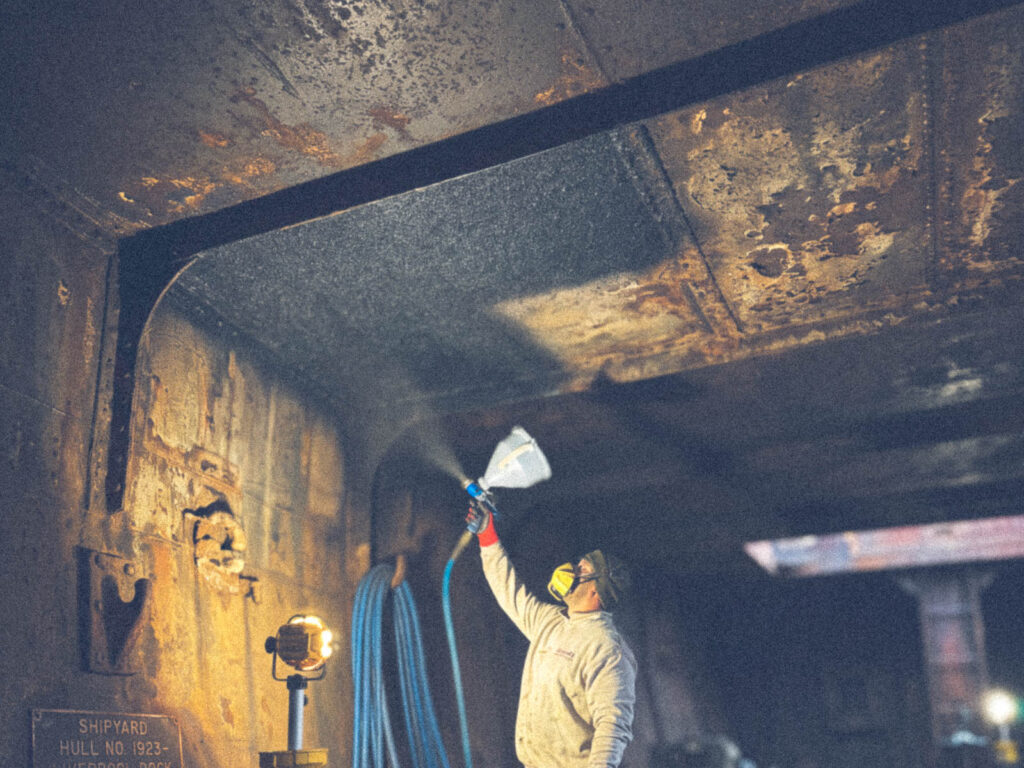
Internal cork insulation for boats and narrowboats, including assessed barge and houseboat conversions.
Explore the product range and compatible equipment, then develop practical application skills at the ECOPROCORK Academy. Bring your coastal or boat-interior project to the training discussion so the method matches the work.
DECOPROYEC® sprayed cork · CP19 spray equipment · System family and build-ups · Benefits comparison
Use the system pages and Technology & Quality to review evidence in context, then confirm the current grade-specific documents for procurement and installation.
Historical salt-spray testing concerns the documented specimens; it does not establish service life, general corrosion protection or immersion suitability. C-s1,d0 is a sprayed-cork reaction-to-fire result within its tested scope, not marine approval or a classification of every complete lining. Obtain current thermal design data and assess the whole wall or vessel build-up. Confirm applicable fire requirements, installation competence, maintenance and written warranty terms for the project. Open the technical evidence library.
Review completed projects and customer experiences alongside the proposed specification. Project photographs demonstrate appearance; they do not replace test evidence for your building.
For contractors developing their cork services, follow the trade and Academy pathway. Maintenance teams can discuss practical training alongside the requirements of their housing or commercial project.
Course attendance does not guarantee approval. Optional business support, assessment requirements, availability and any fees must be agreed separately.
Send your brief and the questions you need answered. Ask for the relevant documents and guidance for the complete system.