01 / THE BUILDING
Location & condition
Share your postcode, property type, approximate age and the problem you want to solve. Explain any damp, cracking or previous repairs.

ECOPROCORK® · Applications & solutions
Explore cork applications for exterior renovation, internal wall improvement or a specialist roof project. Then confirm what your property needs.

01 · Exterior renovation
ECOPROCORK SLICS™ is the spray-applied cork system route for suitable surfaces. Start by assessing the existing render or masonry, repairs, adhesion and the details around openings.
A textured coating can be part of a renovation specification. It does not repair structural movement, make unsound render sound or remove the need to investigate recurring cracks.
Choose the colour and texture with a physical sample. Discuss exposure, substrate compatibility and the full preparation sequence before agreeing the work.

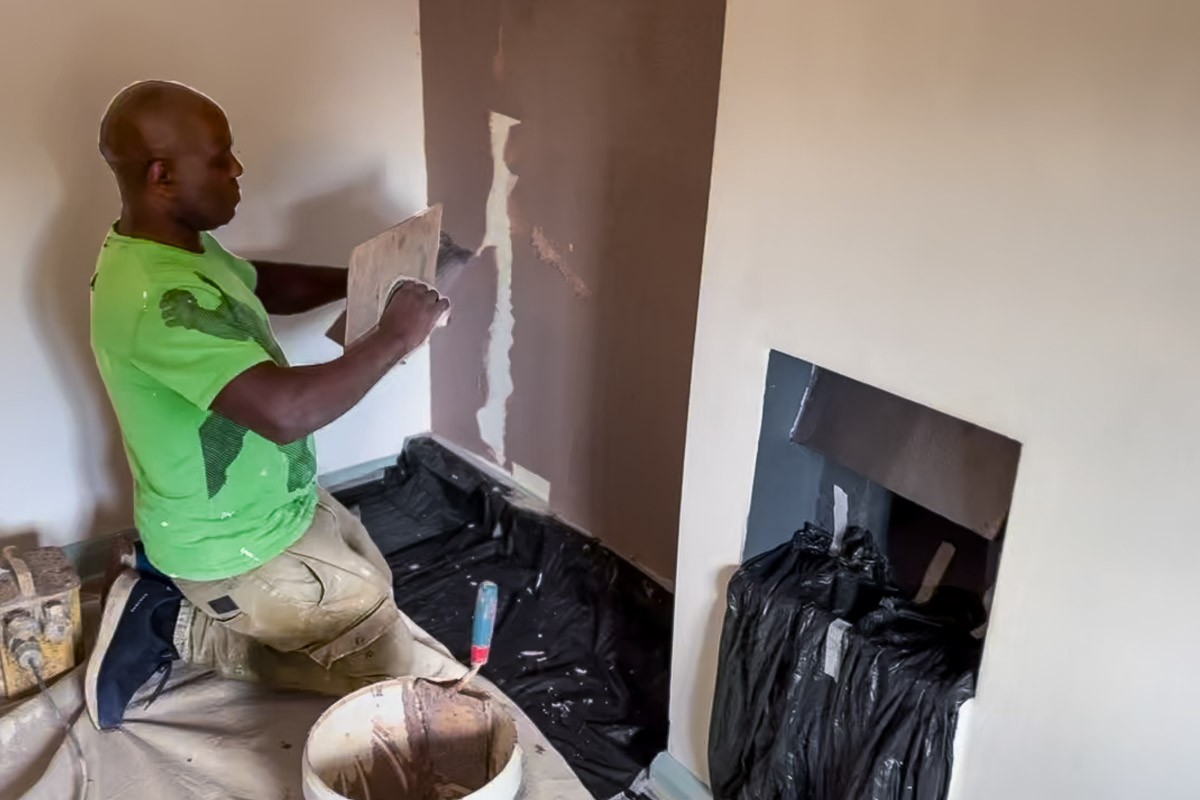
02 · Internal walls
Ask about ECOPROCORK TLICS™ for suitable trowel-applied internal work. The proposed build-up, substrate condition, thickness and finish need to be agreed for the individual project.
Cold surfaces, water ingress, heating and ventilation can all matter when condensation or mould is present. Identify the causes and necessary repairs first; a surface treatment alone is not a complete damp-and-mould strategy.
For a thermal upgrade, compare the calculated performance of the complete wall. A thin cork layer and an insulation-board system should not be assumed to deliver the same result.
03 · Specialist roofs
ECOPROCORK SLICS-R™ is the roof application route. Establish the roof material and condition, drainage, junctions, existing coatings and access requirements before selecting a build-up.
The cork layer must not be treated as a standalone waterproofing solution. Confirm the required primers, waterproofing components, details and maintenance with the technical team.
Roof work requires competent assessment and safe access. Where a roof may contain asbestos, obtain specialist advice before any work that could disturb it.
Explore commercial roofs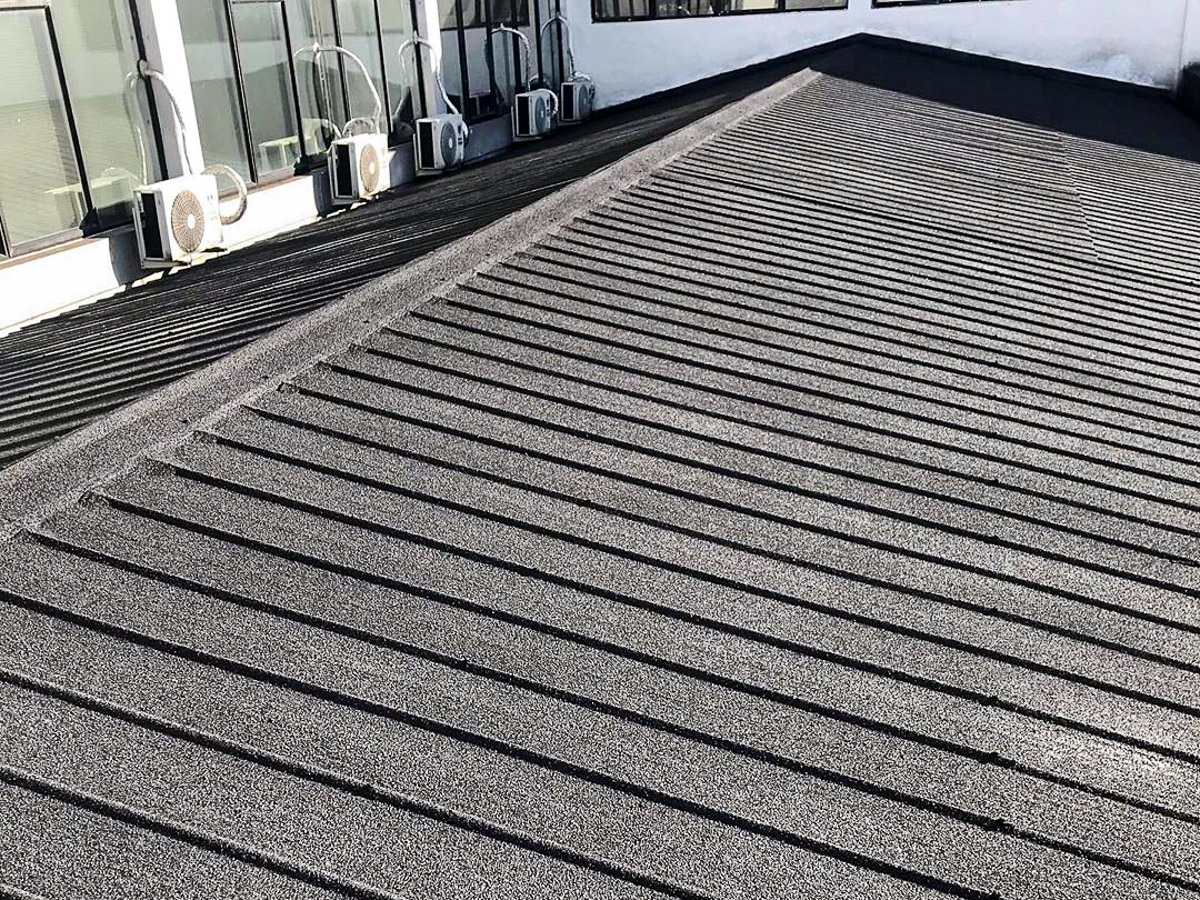
04 · Retrofit & specification
ETICS means external thermal insulation composite system: a coordinated build-up including insulation and a protective finish. Discuss ECOPROCORK ETICS with the team as a complete specification.
For homes, housing portfolios and commercial buildings, consider moisture, ventilation, fire performance, interfaces, installation and maintenance together.
Any U-value, energy-saving, EPC or compliance claim needs evidence appropriate to the exact construction. A material test result alone does not establish whole-building performance.
Professional & specification support05 · SLICS-C Coastal Protection
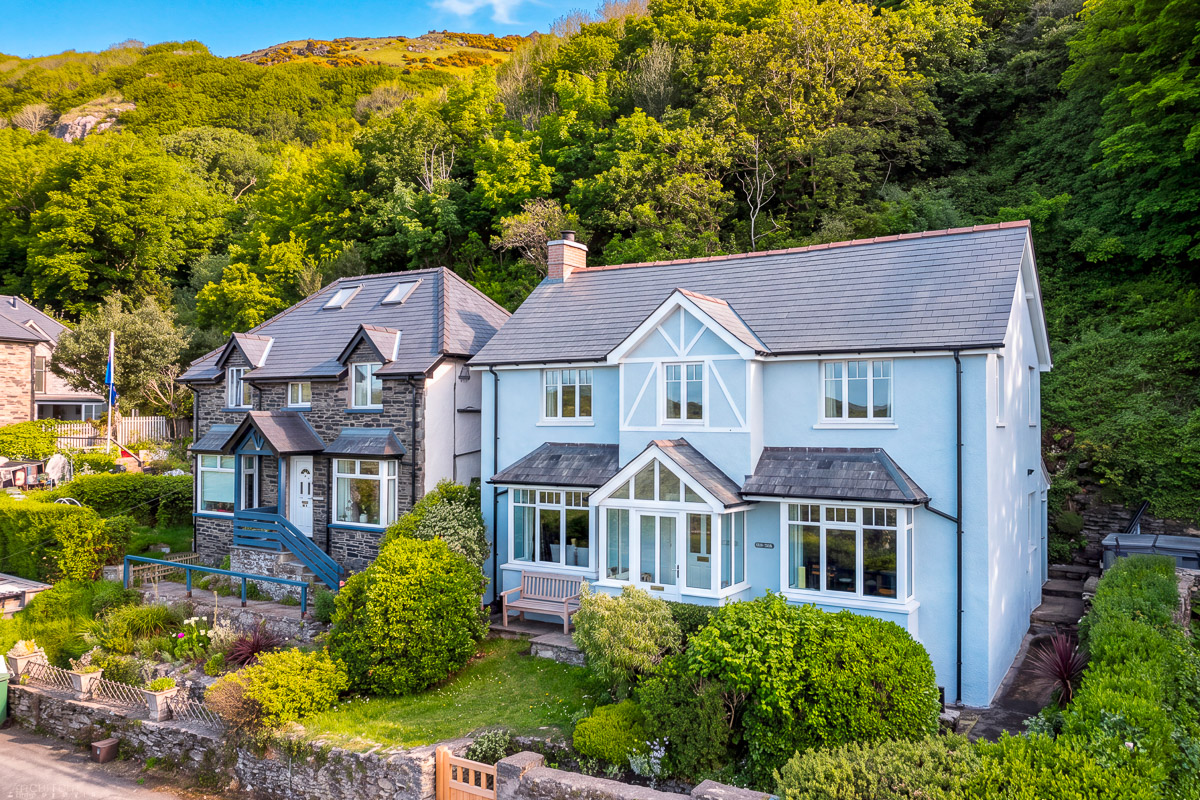
A cork-based exterior refurbishment route for coastal homes, hotels and exposed frontages. Bring appearance, exposure and future upkeep into one project brief.
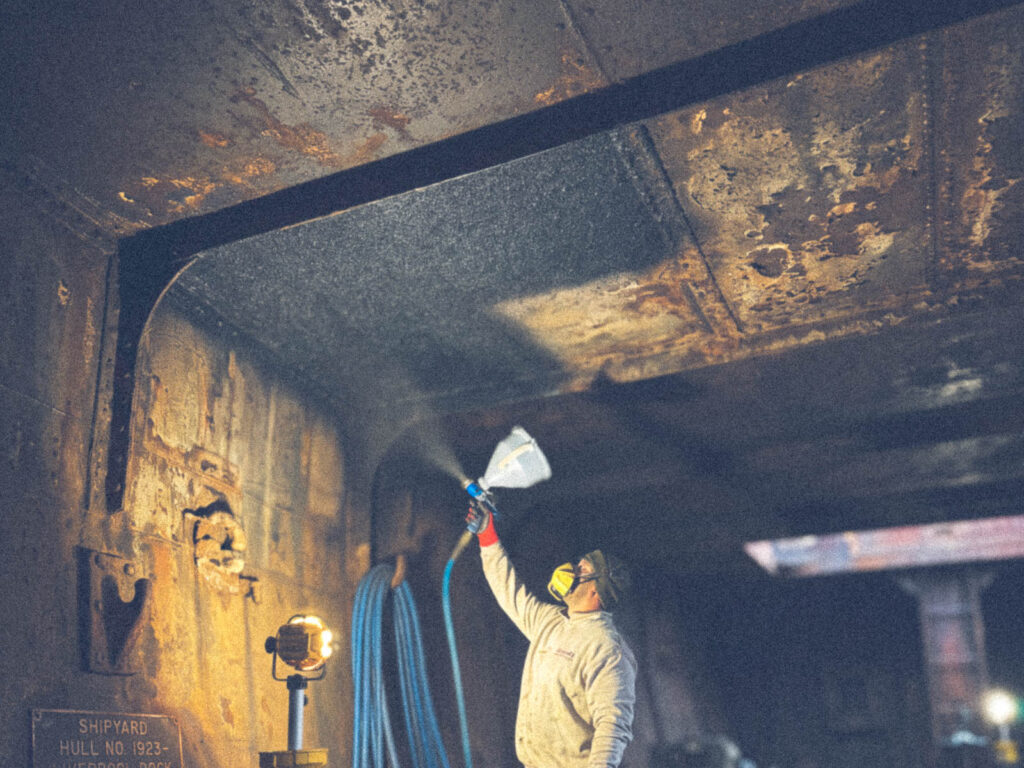
06 · SLICS-M Marine Insulation
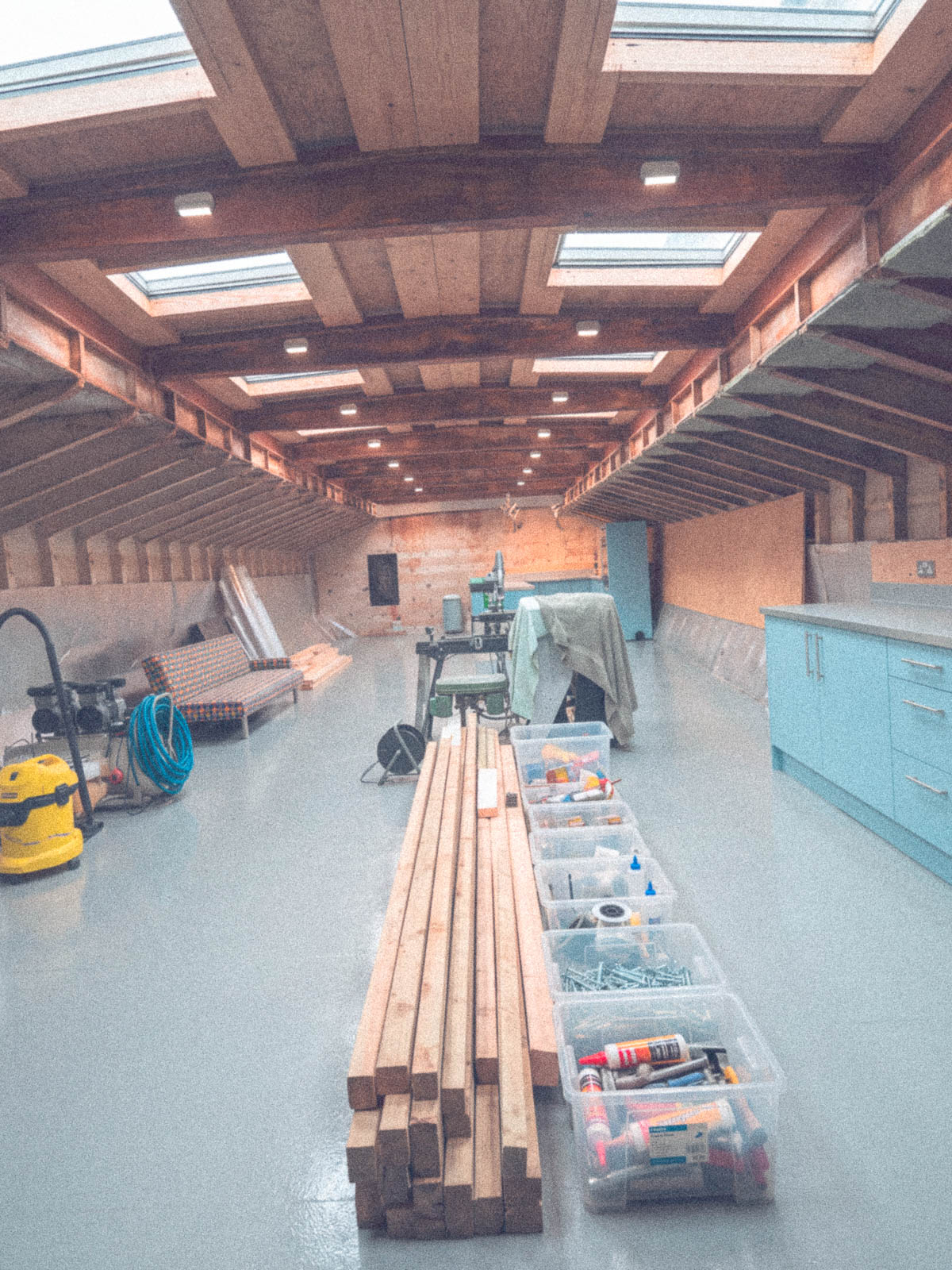
Internal cork insulation for boats and narrowboats, including assessed barge and houseboat conversions. Plan a compact spray-applied layer around the way you want to live aboard.
Explore the products and spray equipment, learn effective use at the ECOPROCORK Academy, then bring the right application to coastal properties and boat interiors.
DECOPROYEC® sprayed cork · CP19 spray equipment · Compare the benefits · Technology & Quality
Confirm the product grade, preparation, compatible layers and complete specification for each application. A thin cork coating does not establish a whole-wall or vessel U-value. Salt-spray and fire evidence applies within the documented test scope; it does not establish immersion suitability, general corrosion protection or marine approval. Read the system pages and technical evidence library for the detail.
A better brief leads to a better answer
01 / THE BUILDING
Share your postcode, property type, approximate age and the problem you want to solve. Explain any damp, cracking or previous repairs.
02 / THE SURFACE
Prepare wide views and close-ups, approximate areas and details of known coatings. Do not disturb unknown or potentially hazardous materials to investigate them.
03 / THE OUTCOME
Explain your desired appearance, performance goals and timescale. Ask for the proposed system, preparation, evidence and written scope of work.
Tell us about your project and ask about an Approved Applicator. Suitable coverage, capability and availability will be confirmed.
Further reading: Government damp-and-mould guidance and Energy Saving Trust wall-insulation guidance.