ECOPROCORK® / WALL SYSTEMS EXPLAINED

See what goes on the wall.

From an assessed cold internal wall to a back-to-brick refurbishment, and three distinct exterior build-ups. Understand the layers before choosing the product.

THE PROBLEM AND THE PROPOSED APPROACH

Cold wall and black mould. Diagnose first, then specify.

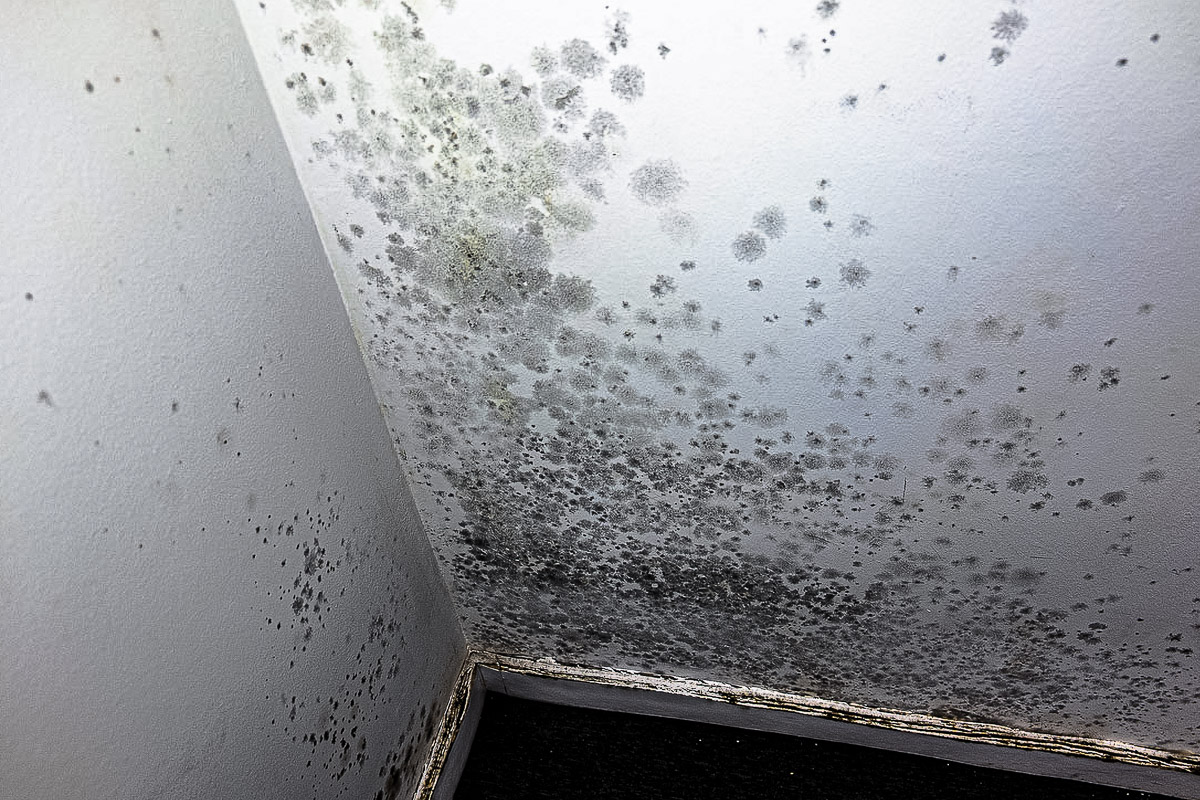
Condensation and visible black mould are warning signs, not a specification. Before an internal cork treatment, identify moisture sources, heating, ventilation, leaks and any defects. These photographs illustrate different situations, not a documented before-and-after of the same property.

Example of mould growth on an internal wall
01 / Standard untreated wall

Cold surface, condensation and mould

Recurring condensation can contribute to mould where indoor humidity and cold wall surfaces meet. Penetrating damp, leaks or building defects may look similar and need separate investigation.

Do not simply coat over mould. Deal with contamination and the underlying moisture problem first.
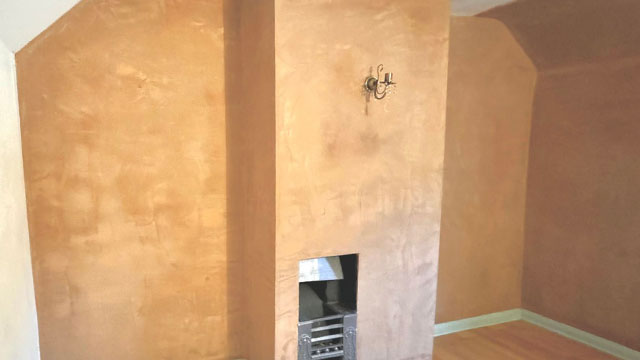
Professional applying TLICS trowel-applied cork to an internal wall
02 / Assessed TLICS™ route

Prepare, apply and finish correctly

After the moisture cause is addressed and the substrate assessed, a compatible trowel-applied DECO 00 FINO build-up may be specified to treat the internal surface before a suitable finishing skim.

Installation quality, thickness, drying and finish compatibility are project-specific. A TLICS layer is not a substitute for a full insulation design.

Illustrative images only. Neither photo demonstrates a measured thermal upgrade, a completed mould-remediation outcome or a guarantee that mould will not recur. Read the internal-wall guidance.

TLICS™ / INTERNAL WALL OPTIONS

Two routes. Different preparation.

Both diagrams are schematic sections through the wall, not to scale. The proposed build-up must be confirmed for the existing wall, moisture risk, materials, thickness and finish before installation.

OPTION A / RETAIN SOUND PLASTER

TLICS™ over a suitable prepared background

For an existing surface that is stable, dry and compatible after investigation.

  1. Existing masonry — retained behind sound existing plaster
  2. Sound prepared internal plaster — retain only if suitably assessed
  3. DECO 00 FINO — trowel-applied in the confirmed TLICS coat sequence
  4. Compatible finishing skim — where specified
  5. Decoration — after the full system has cured

DECO 00 FINO product guide

OPTION B / STRIP BACK TO BRICK

DECOPROCAL + DECO 00 FINO

A proposed rebuild where failed plaster is removed back to sound masonry and a levelling basecoat is required.

  1. Exposed brick / masonry — strip defective finishes and repair defects first
  2. DECOPROCAL lime-and-cork levelling basecoat — only where approved for this internal substrate and complete build-up
  3. DECO 00 FINO — specified trowel-applied internal cork layer or layers
  4. Compatible finishing skim — thickness, drying and bond to be confirmed
  5. Decoration — compatible finish after curing

DECOPROCAL basecoat · DECO 00 FINO

Important specification boundary: DECOPROCAL is documented for compatible insulation-board applications and levelling suitable masonry. Its use beneath DECO 00 FINO on an internal wall is shown here as a proposed route, not an independently validated universal system. Confirm compatibility, preparation, coat sequence, thickness, moisture design, safety information and warranty scope with ECOPROCORK before using it. Existing mould and the underlying cause must be dealt with separately.

EXTERIOR WALLS / EXISTING DIAGRAMS RESTORED TO VIEW

Three ways to treat an exterior wall.

These are the original ECOPROCORK wall-section illustrations, brought together on this accessible comparison page. They represent separate specification options, not interchangeable coatings.

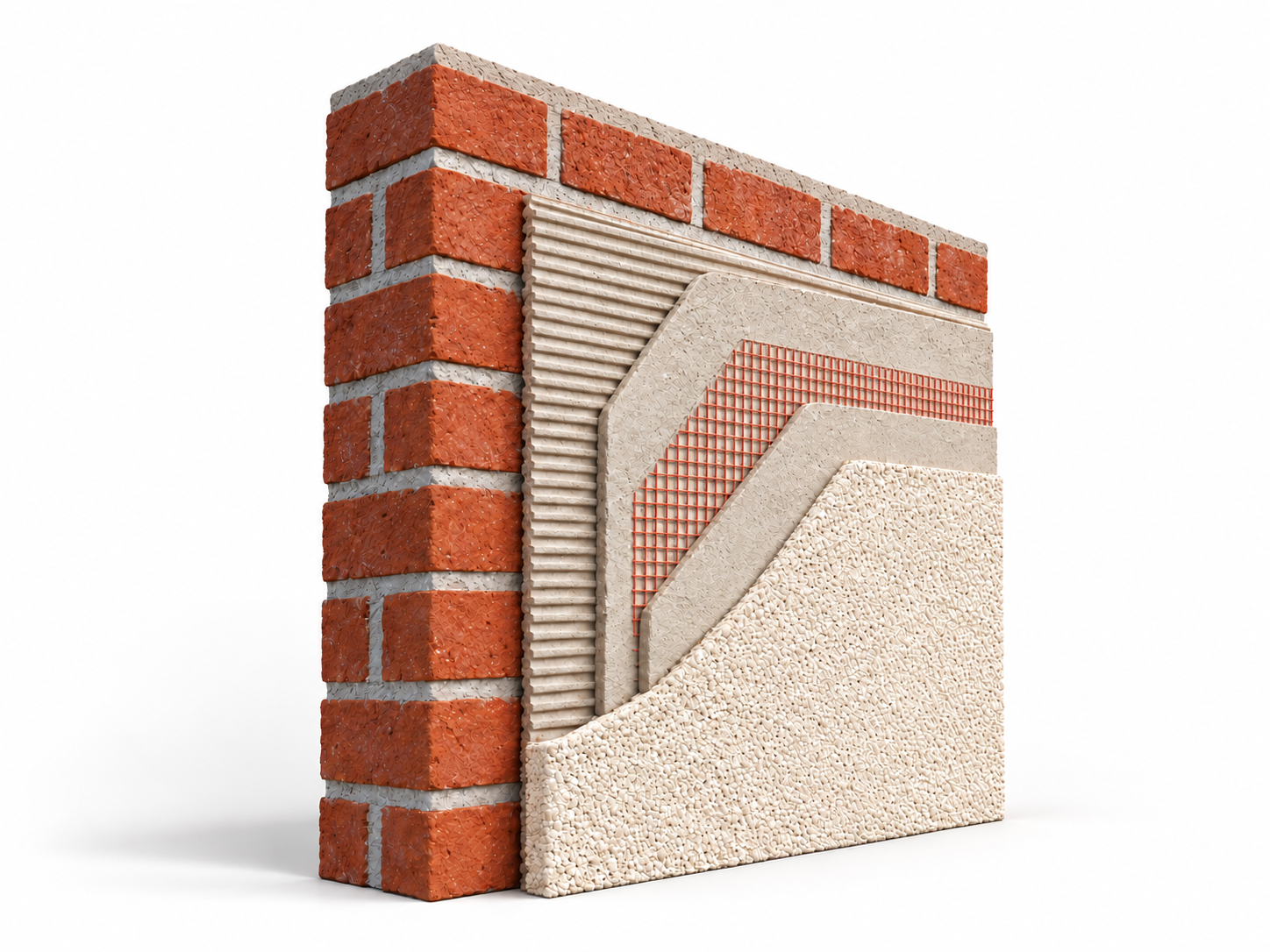
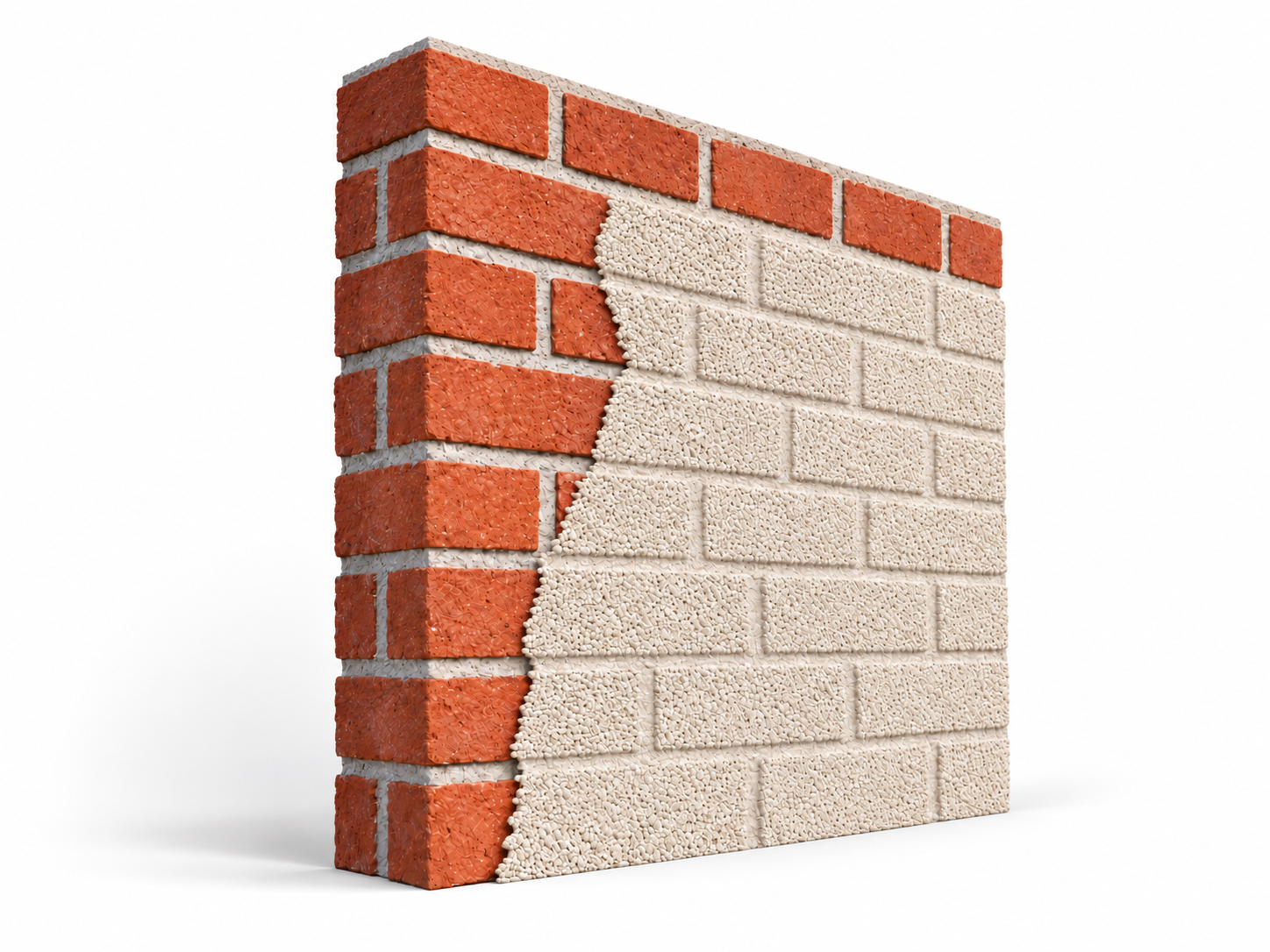
Illustrated existing brick wall with sprayed-cork finish

SLICS™ · Direct-to-brick

Sound exterior masonry, appropriate preparation and compatible primer where specified, finished with DECOPROYEC sprayed cork. A thin coating is not a substitute for full external insulation.

Illustrated masonry wall with reinforced basecoat and sprayed cork

SLICS™ · Reinforced basecoat

Compatible levelling and reinforced basecoat, with mesh fully enclosed where specified, before the DECOPROYEC sprayed-cork finish.

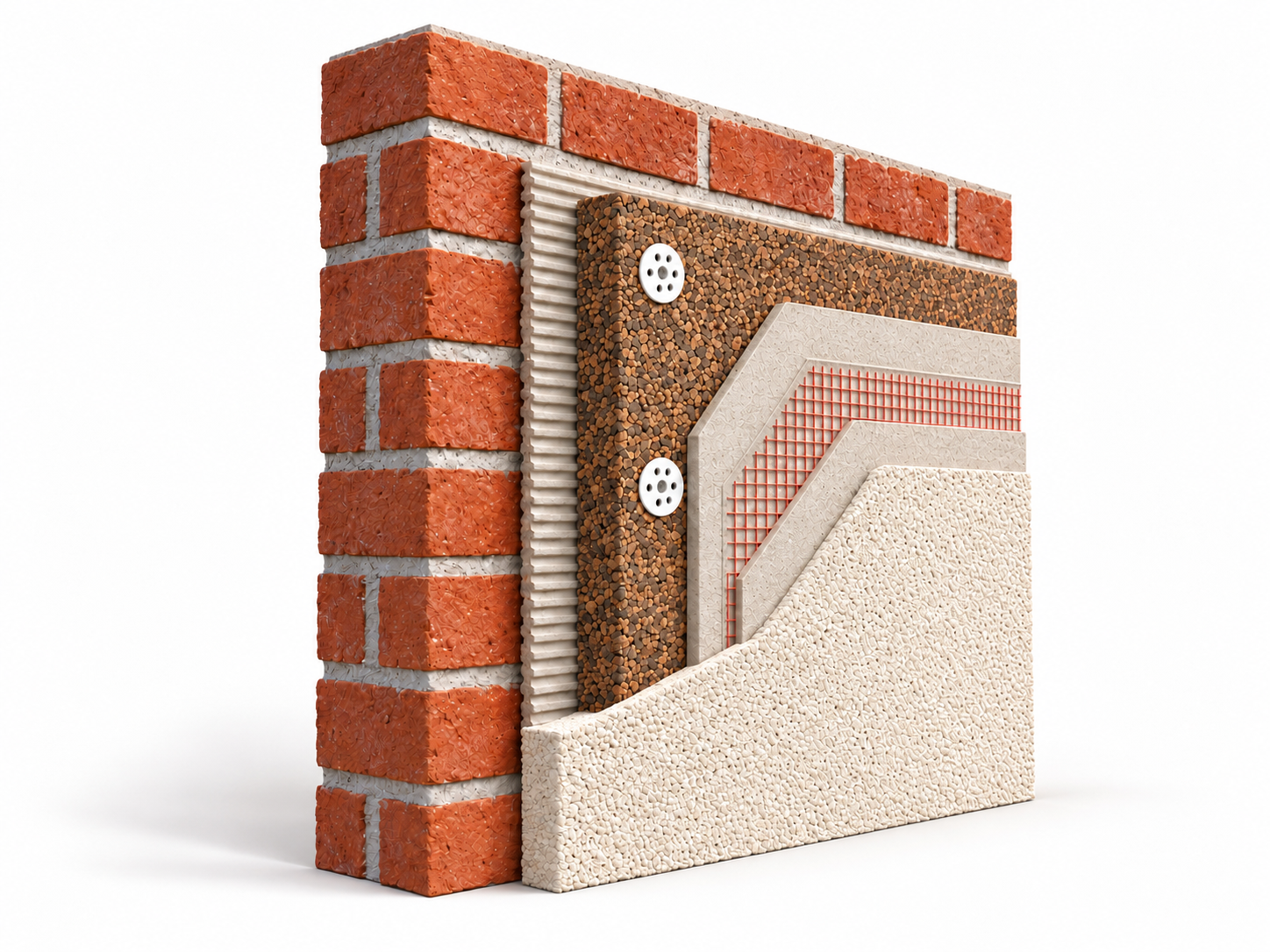
Illustrated external wall with cork board, reinforcement and sprayed-cork finish

ETICS · Cork-board insulation

Cork insulation boards, compatible adhesive and fixings, reinforced basecoat and finish as one coordinated external-wall insulation specification.

Exterior diagrams are illustrative and not to scale. Confirm the actual substrate, insulation requirements, system components and manufacturer documents. View the original detailed build-up notes.

START WITH THE BUILDING

Get the right system for the wall.

Tell us your location, substrate, moisture condition, approximate area and intended finish. We'll help you determine what needs assessment and which system documentation to request.

Discuss a wall projectBrowse technical evidence

Installers should obtain the current DECO 00 FINO safety information and manufacturer instructions before application. Images and layer sketches are conceptual; neither proves thermal performance or a mould cure.