SLICS™ · Exterior cork coatings

Refresh your exterior.
Keep the character.

A spray-applied cork finish for suitable exterior walls. SLICS brings colour, texture and a specified layered approach to refurbishment, starting with the condition of your existing render or masonry.

Completed house exterior with ECOPROCORK site banner

The problem it addresses

Weathered finishes, peeling paint and tired render can leave a building looking neglected. Investigate movement, water ingress and poor adhesion before deciding which surfaces can be retained and refinished.

What it can bring to your project

Refresh the appearance

Choose cork texture and colour to suit the frontage, checking the finish with a physical sample.

Work with the existing wall

A thin finish follows sound prepared surfaces. The assessment determines whether direct coating or a compatible reinforced basecoat is appropriate.

Specify the whole refurbishment

Bring repairs, junctions, compatible layers and future maintenance into one written scope.

Suitable applications and surfaces

Suitable assessed exterior masonry and render, after preparation and compatibility checks. Heritage and solid-wall projects need a design that respects the construction and its moisture behaviour.

Before you choose: A finish cannot make unsound render sound or repair structural movement. A thin coating is not equivalent to a complete insulation-board upgrade.

How the system works

01 · Assess the wall

Review construction, existing coatings, cracks, moisture and exposure.

02 · Agree the build-up

Specify repairs, preparation, compatible primer or basecoat, product grade and installed thickness.

View the wall build-up diagrams to compare the layers in internal and external wall systems.

03 · Apply and inspect

Use the agreed coat sequence, drying conditions and workmanship checks. Confirm the sample, junctions and finish.

04 · Plan the handover

Record the materials, agreed scope, maintenance requirements and applicable written warranty terms.

Project evidence

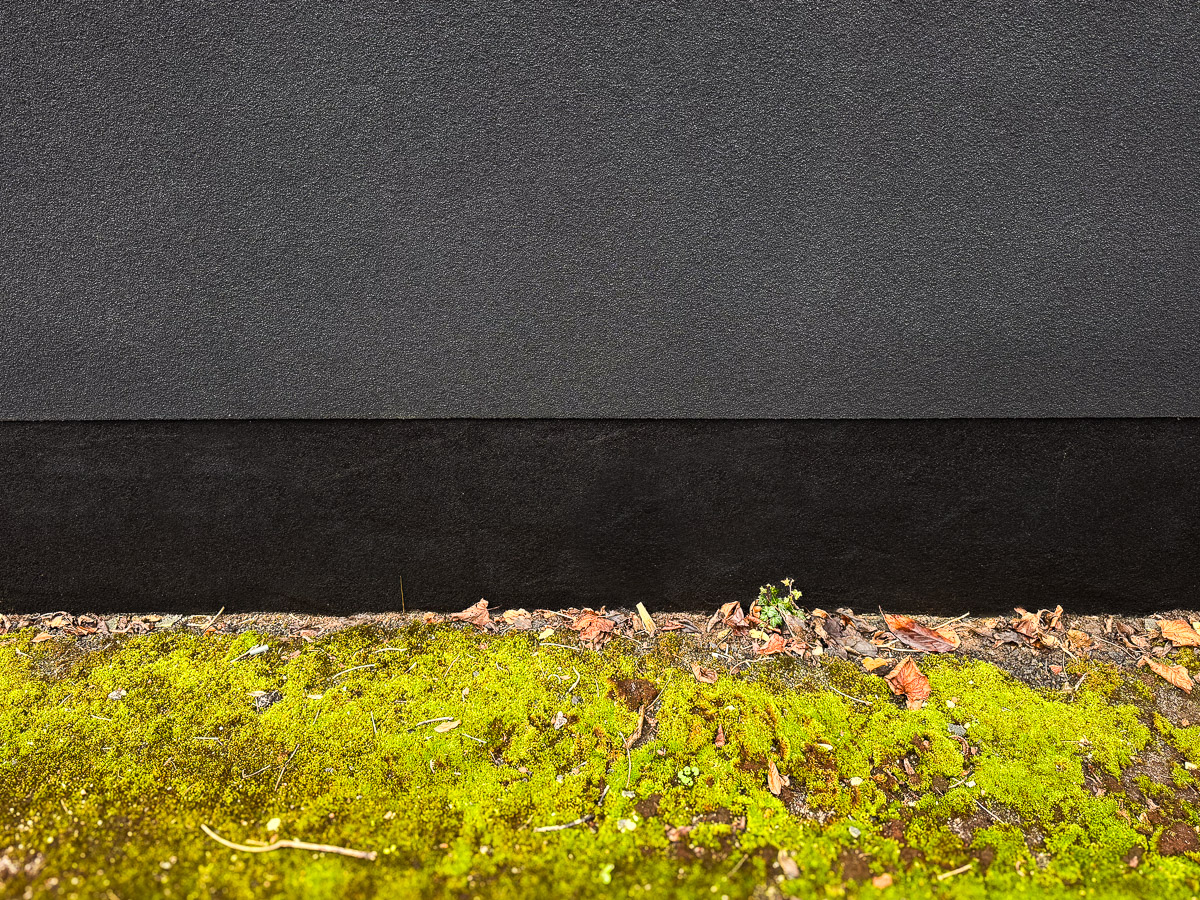
Harborne cork-coated exterior wall beside moss-covered ground

Harborne: an exterior follow-up

The Harborne project used a lime-and-cork basecoat with SLICS sprayed cork. A follow-up photograph seven years later records the treated wall beside moss-covered ground. This is a project observation, not a universal promise about growth or service life.

Technical evidence and documents

Use the sprayed-cork documents for the selected product and build-up. The library distinguishes historical tests, manufacturer-reported properties and unresolved thermal data. No general U-value, energy saving or whole-system certification follows from a material result.

System family, illustrated build-ups and detailed thermal notes

ECOPROCORK® · Spray cork systems explained

Spray cork systems and insulation,
explained.

Explore ECOPROCORK spray cork systems and cork-board insulation. Compare the preparation, layers and finish, then choose the route that matches your building and intended application.

Completed house exterior with ECOPROCORK site banner

The ECOPROCORK system family

A name for each application route.

SLICS™

ECOPROCORK® Sprayed Layered Insulation Cork System (SLICS™). A layered, cork-based render route for suitable exterior substrates. Natural cork and a specified finish can contribute to surface thermal performance, weather resistance and durability.

The elastic, water-resistant finish can accommodate limited movement within its specification. It does not guarantee a crack-free surface or a whole-wall insulation result. Assess existing cracks and moisture first; resistance to lichen and moss growth also depends on exposure, substrate condition and maintenance.

Explore exterior renovation →
TLICS™

ECOPROCORK® Trowel-able Layered Insulating Cork System (TLICS™). A trowel-applied route using selected, compatible Decoproyec® materials such as basecoats, fillers, renders and finishing products. These products are available through ECOPROCORK’s UK Academy and distribution hub.

Assess the wall, moisture cause, application method and finish before agreeing the build-up. Interior TLICS treatments require appropriate preparation and plastering skills; choosing a product alone does not establish a complete system specification.

Explore internal walls →

SLICS-R™

ECOPROCORK® Sprayed Layered Insulation Cork System for Roofs (SLICS-R™). A specialist restoration route for suitable roofs affected by leaks or temperature exposure. Where assessment supports refurbishment, a specified build-up can combine compatible preparation, waterproofing and cork layers.

Confirm the membrane, junctions, drainage, preparation and maintenance: spray cork alone is not a universal leak repair. Thermal improvement and costs depend on the complete project; restoration is not always an alternative to replacement. Suspected asbestos requires specialist assessment and an appropriate controlled work plan before any roof preparation.

Explore roof applications →

SLICS-C · Coastal Protection

A specialist coastal refurbishment route that brings a cork-based exterior finish, assessed preparation and exposure-specific detailing together.

Explore SLICS-C Coastal Protection →

SLICS-M · Marine Insulation

Internal cork insulation for boats and narrowboats. Spray accessible contours and framing with a compact cork layer as part of the complete fit-out.

Explore SLICS-M Internal Boat Insulation →

Specialist cork solutions

Protect coastal character.
Bring comfort aboard.

Two focused SLICS routes bring cork to exposed coastal frontages and internal boat spaces. Start with the environment, choose the outcome you want, then bring the products and application together.

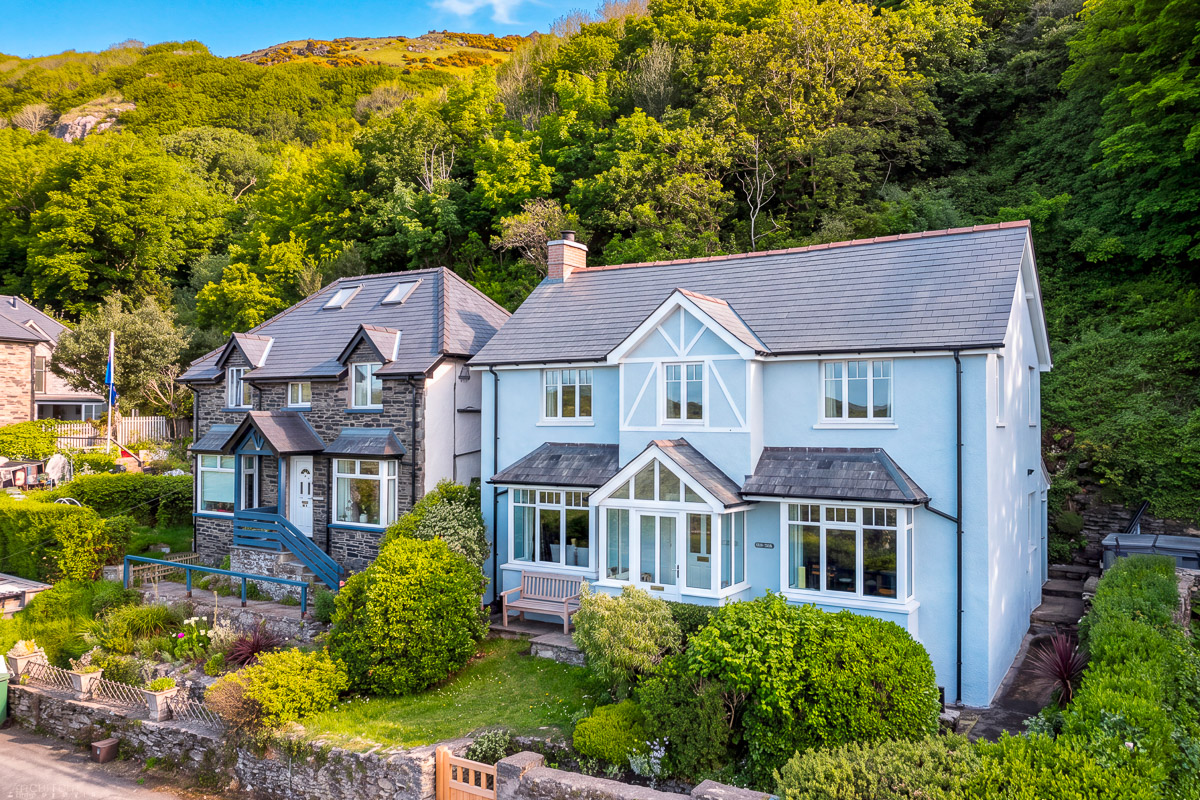
Completed coastal home in Barmouth from the ECOPROCORK project collection

SLICS-C · Coastal Protection

A cork-based exterior refurbishment route for coastal homes, hotels and exposed frontages.

  • Refresh the finish. Explore colour and texture that respect the character of the property.
  • Plan for coastal exposure. Consider salt-laden air, rain exposure, substrate condition and repairs in one specification.
  • Choose the right layers. Assess direct-to-substrate, reinforced-basecoat or coordinated cork-board routes.
  • Think ahead. Plan maintenance, inspection and access as part of the project.
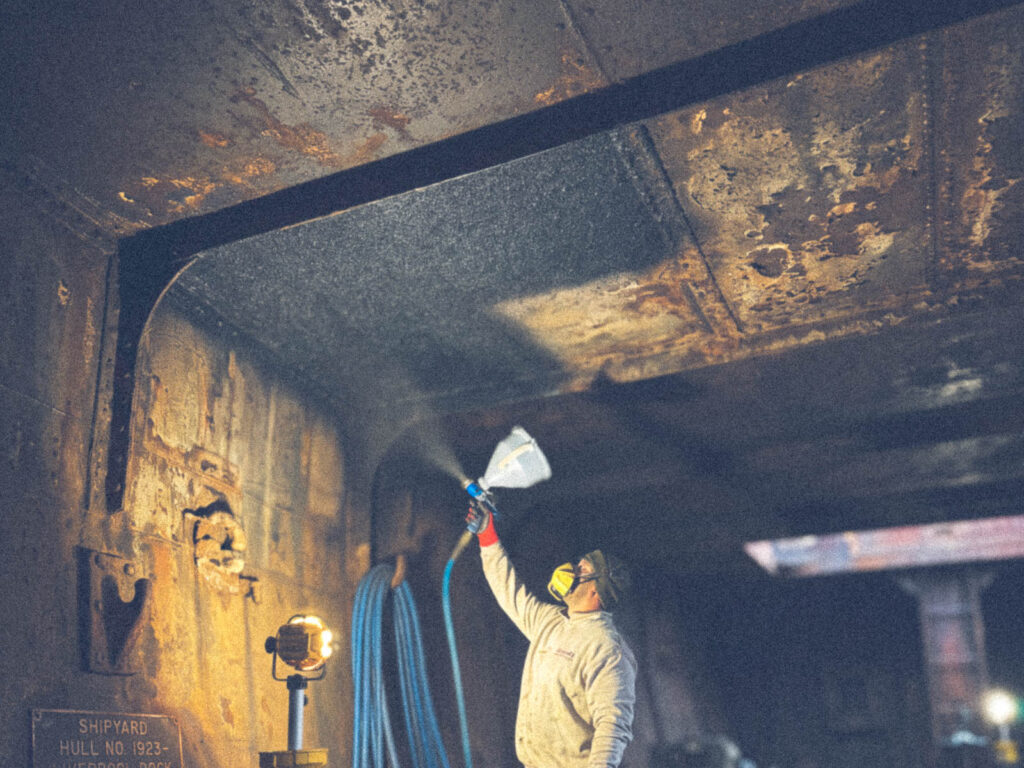
Spray cork application to overhead panels inside a barge conversion

SLICS-M · Marine Insulation

Internal cork insulation for boats and narrowboats, including assessed barge and houseboat conversions.

  • Follow the structure. Spray accessible curves, panels and framing with less cutting and fitting around details.
  • Preserve useful space. A compact cork layer works around headroom, cupboards and services.
  • Plan for life aboard. Bring cork into the complete insulation, ventilation, heating and lining design.
  • Build before lining. Apply specified successive coats and inspect coverage before closing the fit-out.

Get equipped. Get trained. Put cork to work.

Choose the right products and spray equipment, learn effective use at the ECOPROCORK Academy, then bring your skills to boat interiors and property improvements.

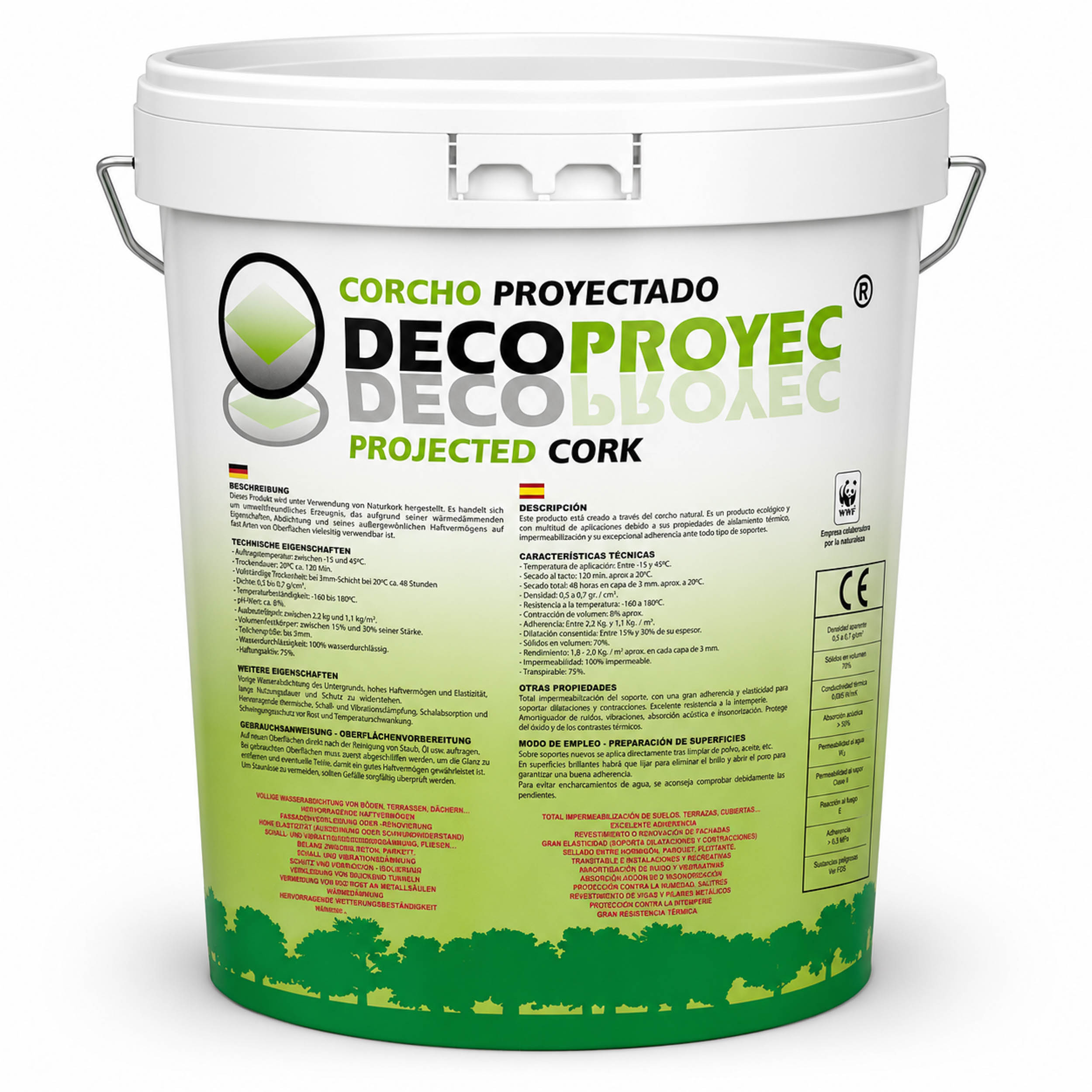
DECOPROYEC® sprayed cork →   CP19 spray equipment →

Compare SLICS-C and SLICS-M benefits · Explore Technology & Quality

Each application needs an agreed product grade, preparation, total thickness, compatible layers and project details. A thin cork coating does not establish a complete wall or vessel U-value. Salt-spray and fire evidence applies within the documented test scope; it does not establish immersion suitability, general corrosion protection or marine approval. Read the linked system pages and technical evidence library for specification details.

SLICS™ exterior options and cork-board insulation

Choose your spray cork system build-up.

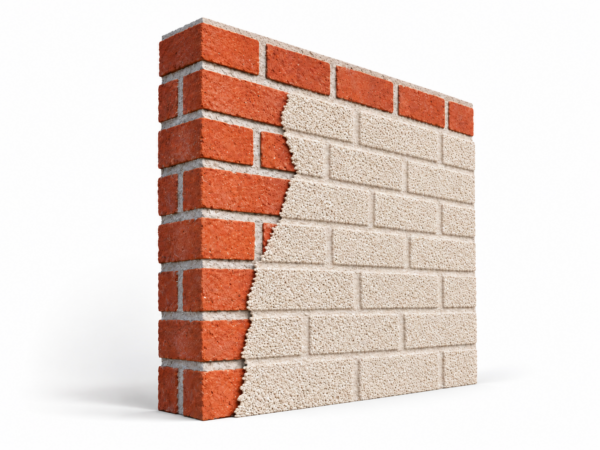
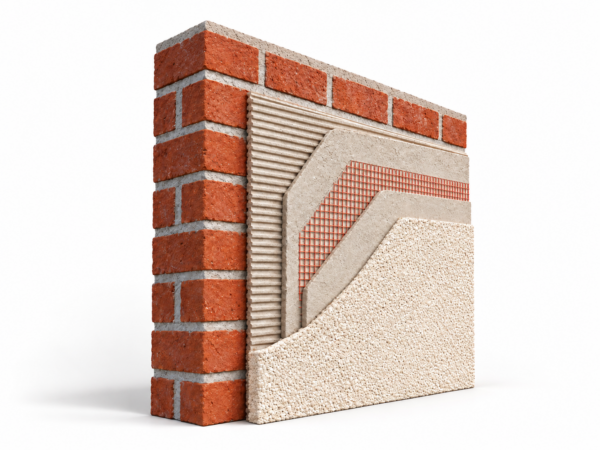
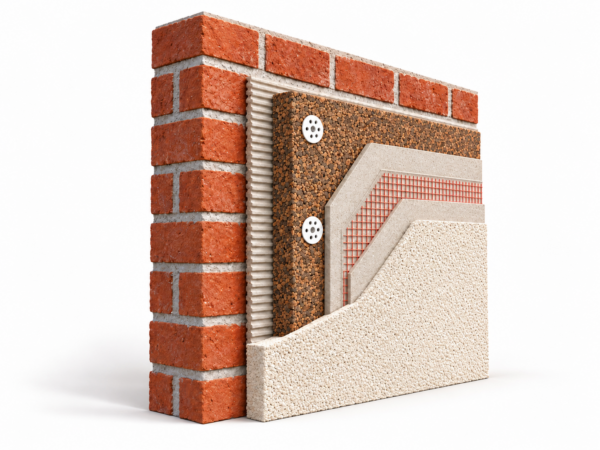
These three illustrated routes share the same existing brick-wall geometry. The off-white spray finish is shown at3–5 mm. Illustrations are not to scale; preparation, layer thicknesses, reinforcement and fixing details must follow the confirmed specification.

Illustration: SLICS™ · Direct-to-brick finish on the same existing brick wall

SLICS™ · Direct-to-brick finish

A prepared, sound brick substrate with an off-white 3–5 mm spray-cork finish that follows the brick pattern.

  1. Existing brick wall — common nominal 230 mm example
  2. Preparation and compatible primer where specified
  3. DECOPROYEC® spray cork — off-white, 3–5 mm illustrated

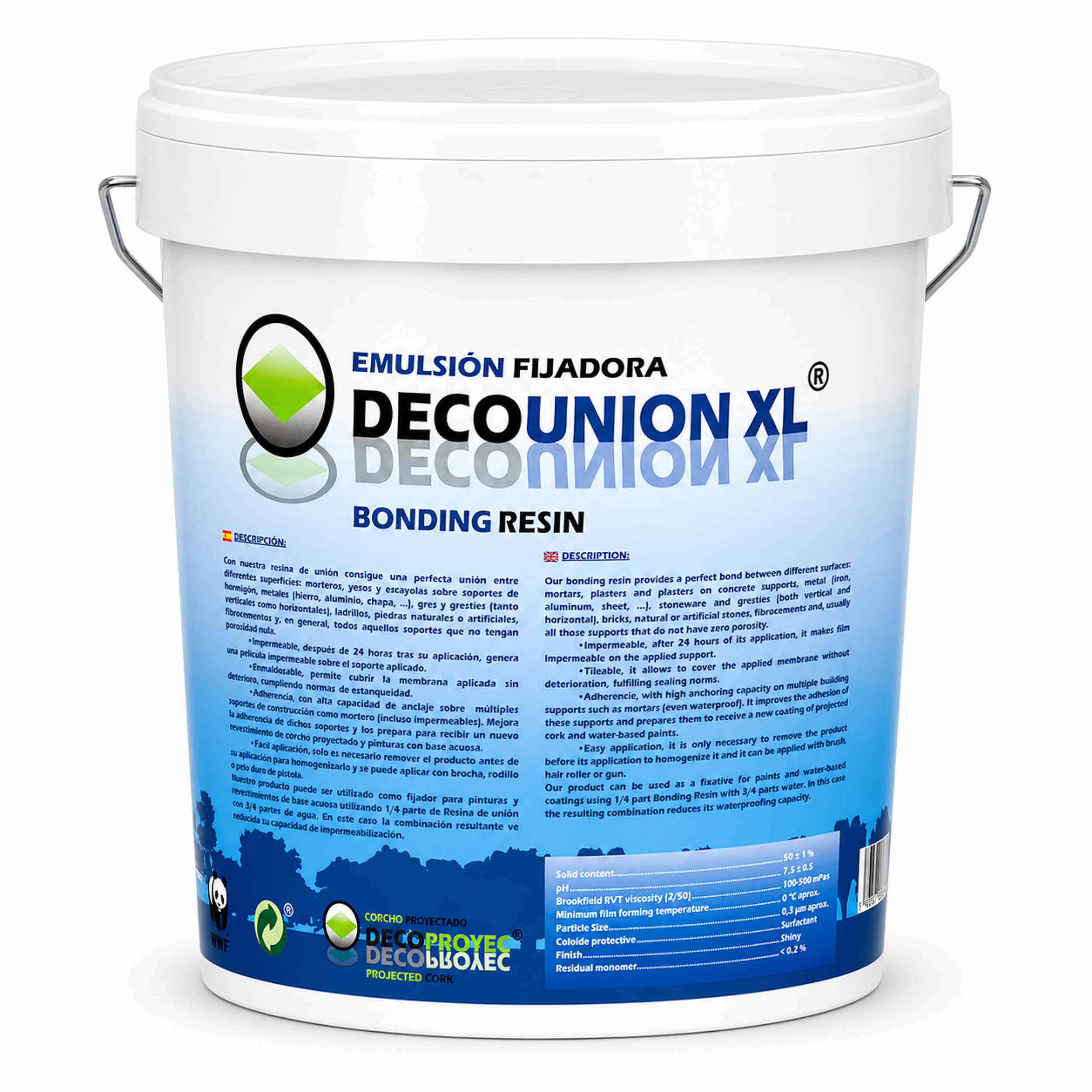
Products for this build: DECOPROYEC® sprayed cork; DECOUNION XL where the specification requires it.

Browse the shop
Illustration: SLICS™ · Reinforced basecoat finish on the same existing brick wall

SLICS™ · Reinforced basecoat finish

A compatible levelling and reinforced basecoat over the same brick wall, finished with off-white 3–5 mm spray cork.

  1. Existing brick wall — common nominal 230 mm example
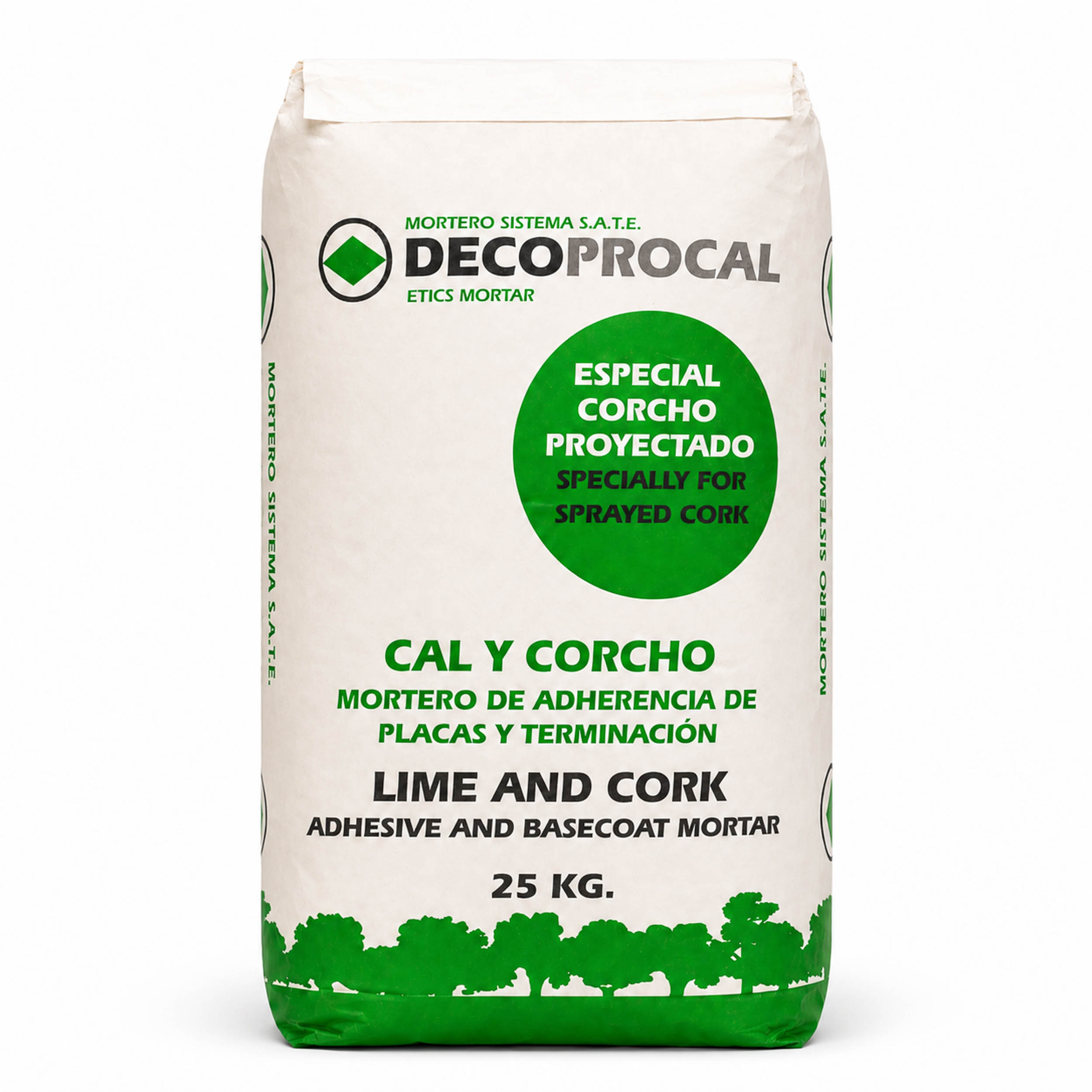
  2. Specified preparation and DECOPROCAL lime-and-cork basecoat
  3. Compatible reinforcing mesh embedded within the basecoat
  4. Covering basecoat fully enclosing the mesh
  5. DECOPROYEC® spray cork — off-white, 3–5 mm illustrated

Products for this build: DECOPROCAL lime-and-cork mortar; DECOPROYEC® sprayed cork; DECOUNION XL where required. Confirm compatible mesh and supply with ECOPROCORK.

Browse the shop
Illustration: ETICS · Cork-board insulation with spray finish on the same existing brick wall

ETICS · Cork-board insulation with spray finish

A separate cork-board insulation layer outside the same brick wall, with coordinated adhesive, fixings, reinforcement and an off-white 3–5 mm spray-cork finish.

  1. Existing brick wall — common nominal 230 mm example
  2. Specified DECOPROCAL adhesive
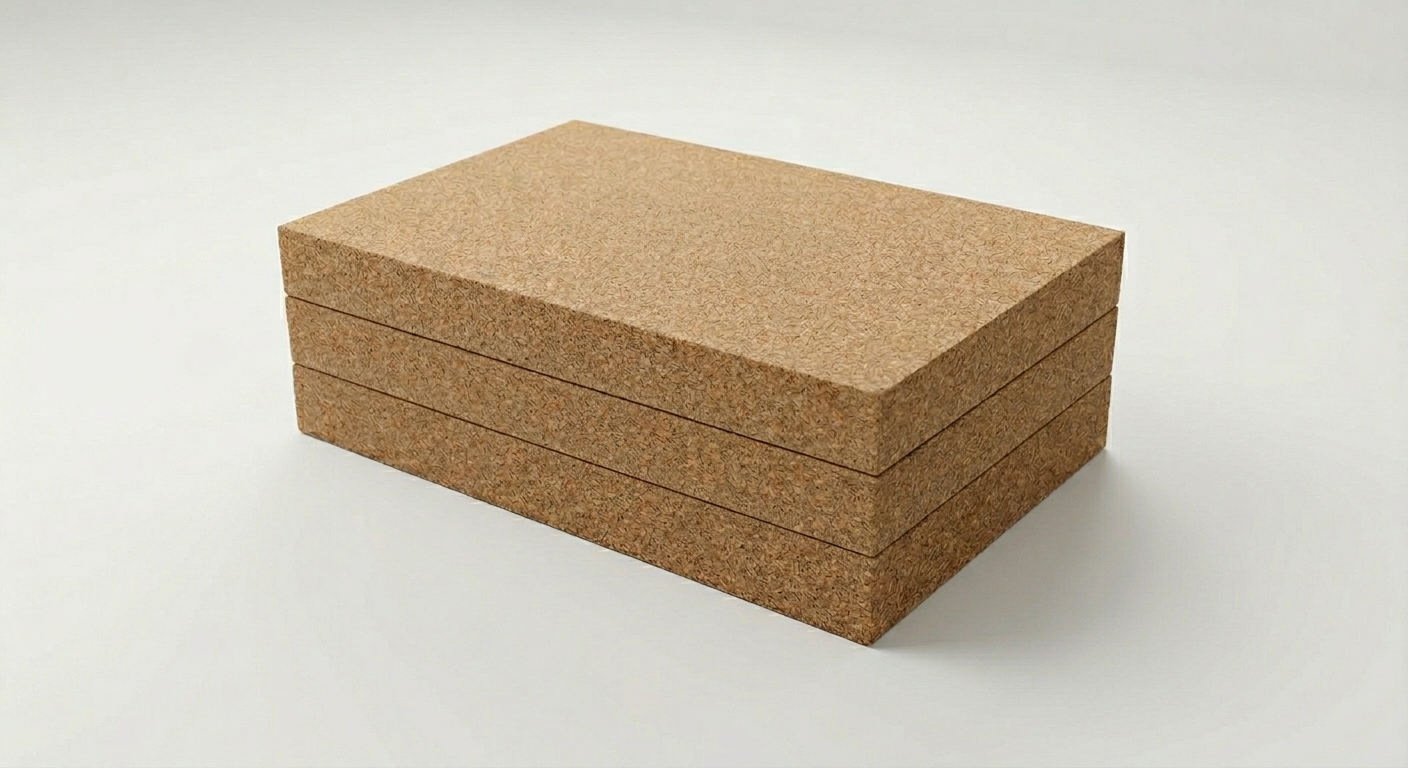
  3. Natural cork insulation board — 60 mm example
  4. Specified insulation fixings
  5. Reinforced basecoat with compatible mesh fully enclosed
  6. DECOPROYEC® spray cork — off-white, 3–5 mm illustrated

Products for this build: Natural cork board guide; cork board packs — choose thickness; DECOPROCAL; DECOPROYEC® sprayed cork. Confirm current UK availability, mesh, fixings and the complete approved specification.

Browse the shop

Thermal evidence and specification

The current product declaration comes first.

Sprayed cork: the archived datasheet quotes λ = 0.050 W/(m·K). The historical AITEX 2013AN1713 annex to AIDICO IE134173 reports a mean of 0.0588 W/(m·K). Lower conductivity indicates better insulation at the same thickness, but the more favourable number cannot be selected without confirming which evidence applies to the supplied grade.

The annex also reports R = 0.1401 m²·K/W while referring to an estimated 3 mm specimen. Its thickness, resistance and conductivity entries do not reconcile through R = thickness ÷ λ. Neither figure is established here as the current grade-specific design value. Read the thermal discrepancy and full laboratory report.

Cork boards are a separate product. Their source sheet reports R = 0.444 m²·K/W at 20 mm and R = 1.225 m²·K/W at 60 mm. Confirm the chosen thickness, current declaration and complete system. Read the cork-board datasheet.

On a small screen, swipe horizontally to see all columns.

What is needed before quoting thermal performance
Build-upLayer dataFinished wall or roof U-value
SLICS™ direct-to-brick or reinforced basecoatCurrent spray-grade declaration and installed thickness, plus applicable basecoat dataCalculate the existing construction and all specified layers after resolving the spray-data discrepancy
ETICS with cork boardsThickness-specific board data, with confirmed adhesive, fixings and finishProject-specific calculation with junction and moisture assessment
TLICS™ internal build-upChosen internal product grade, thickness and finishProject-specific; do not transfer spray-product test results automatically
SLICS-R™ roof build-upExisting roof and complete specified insulation and waterproofing layersProject-specific; a coating alone does not establish roof performance

For a homogeneous layer, R = thickness in metres ÷ conductivity. A full U-value calculation must address the complete construction, relevant corrections and assessment method. Historical material figures alone do not establish an EPC rating, energy saving or Building Regulations compliance.

DECOPROYEC® · Integrated product systems

Products for spray cork systems.
The specification brings them together.

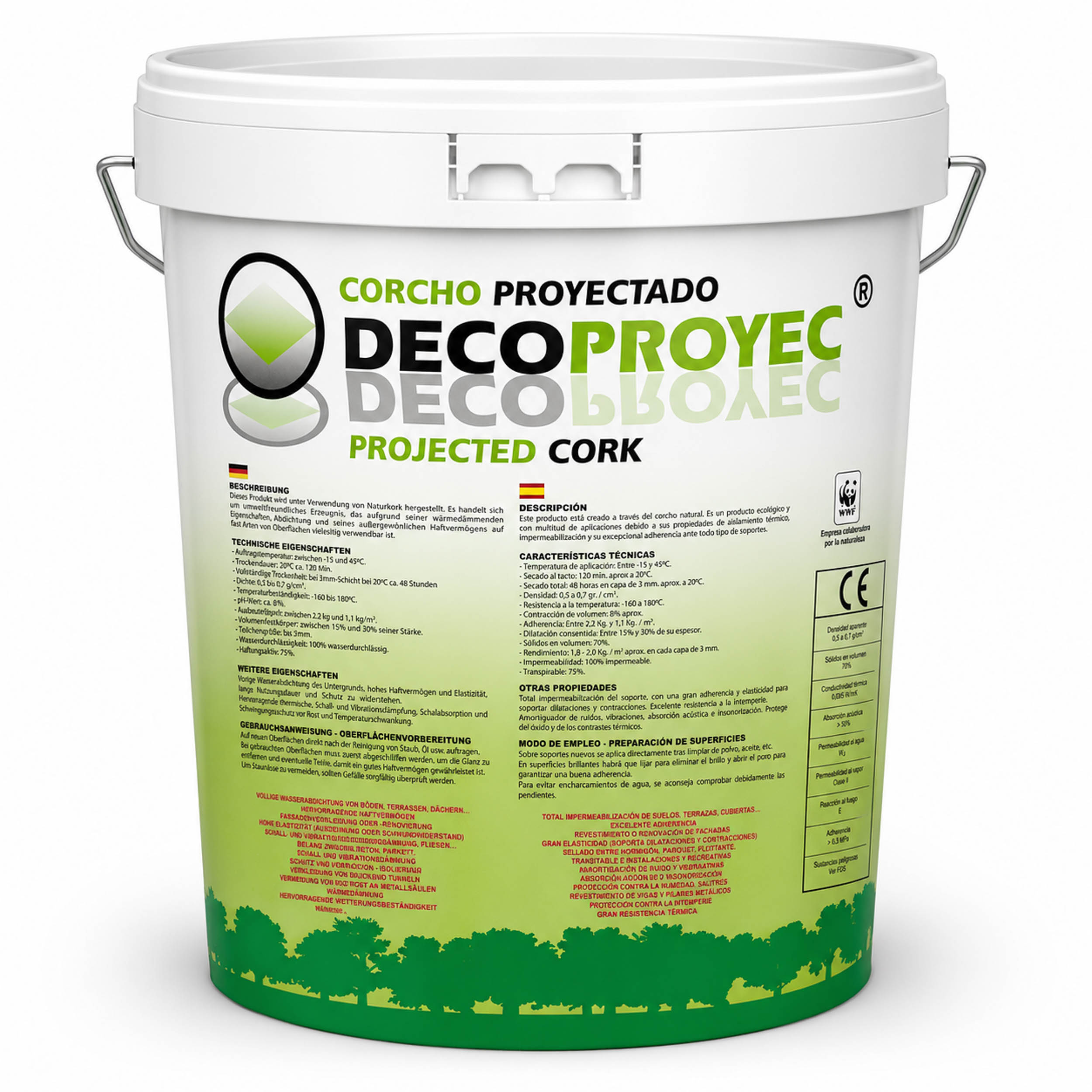
DECOPROCAL is the lime-and-cork mortar in the DECOPROYEC® range. Explore the finishes, preparation products, waterproofing components and insulation materials that can form part of an assessed ECOPROCORK build-up.

The products shown are components, not an installation recipe. Confirm substrate suitability, compatibility, thickness, reinforcement, fixings and detailing with the technical team.

How components fit the application.

Exterior refurbishment · SLICS™

Prepared wall, specified repairs or primer, then sprayed cork finish.

Products: DECOPROYEC® sprayed cork and DECOUNION XL where required. See the illustrated exterior options above.

Internal walls · TLICS™

Assessed internal wall, specified cork treatment and compatible finish.

Products: DECO 00 FINO, DECOUNION XL where required, and the confirmed compatible finishing material. View the shop.

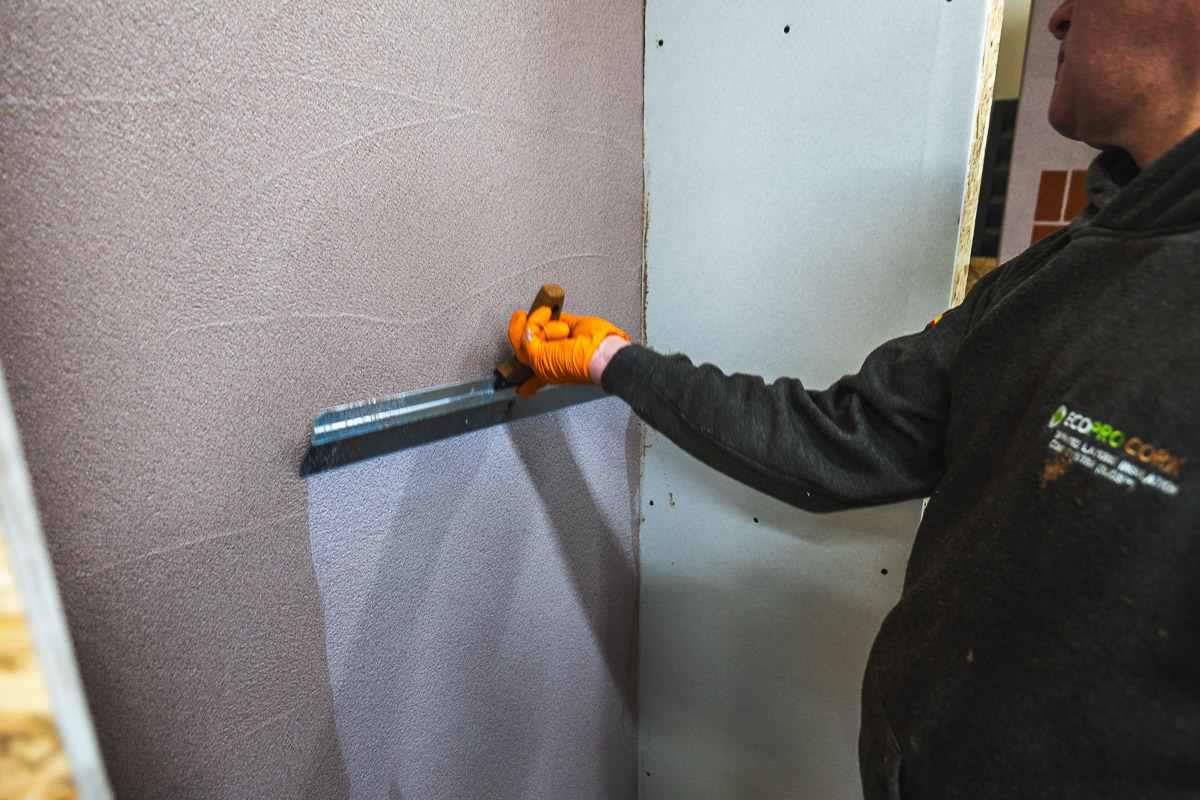
Close-up of cork material being worked with a trowel

From product to installed system

The finish is only part of the story.

Spray cork systems include the existing substrate, preparation, repairs, component products, application and detailing. The same material description does not make every installation equivalent.

Ask for the exact product names and current guidance. Confirm compatibility with the existing surface and agree a sample of the proposed texture and colour.

Clear expectations

Choose for the outcome.
Check the evidence.

Renovating a surface, improving a wall’s thermal performance and specifying a watertight roof are different objectives. Start with the result you need, then assess whether the proposed system is suitable.

For a meaningful comparison

  • Compare complete build-ups at their specified thickness.
  • Ask how thermal and moisture performance are assessed.
  • Check substrate and exposure limitations.
  • Confirm fire evidence relevant to the proposed construction.
  • Consider installation, finish, maintenance and written warranty terms.

A thin coating is not automatically equivalent to an insulation-board system. General claims about a material do not establish a building’s EPC rating or compliance.

Cork coating application beside a carefully protected window
Preparation, application and detailing connect the material to the finished building.

The people behind the installation

Ask for ECOPROCORK by name.

Discuss your project with ECOPROCORK and ask about an Approved Applicator with the relevant capability. Share your postcode, property type and the work you are considering so coverage and availability can be checked.

Choose insulation for the wall and the outcome

The build-ups above describe ECOPROCORK product routes. For the wider building decision, explore internal wall insulation, external wall insulation, solid walls and moisture-compatible insulation. The retrofit hub brings these guides together.

For the common material and quality approach, visit Technology & Quality. Confirm current documents and written terms for your project.

Questions before you choose

Is SLICS spray cork the same as external wall insulation?

No. SLICS is a spray-applied cork finish for suitable exterior surfaces. A complete insulation-board build-up serves a different specification. Compare the external wall insulation options and calculate the complete wall where thermal improvement is required.

Can spray cork cover cracked or peeling render?

Assess the cause first. Remove failing material, address defects and confirm adhesion and compatibility. A finish cannot repair structural movement or make unsound render sound. Read the cracked-render guidance.

How do I plan a SLICS refurbishment?

Share your postcode, photographs, existing finish and intended improvement. Agree preparation, product grade, installed thickness and the complete scope before quotation. Request applicator support or browse applicators; local capability and availability need confirmation.

Your next step

Share your postcode, photographs, existing finish and the changes you want to make. Ask for a suitable build-up and an applicator with the relevant capability.

Applying the system professionally? Explore Academy training and the product and equipment guide. Training does not automatically confer approval for every application.