
SLICS™
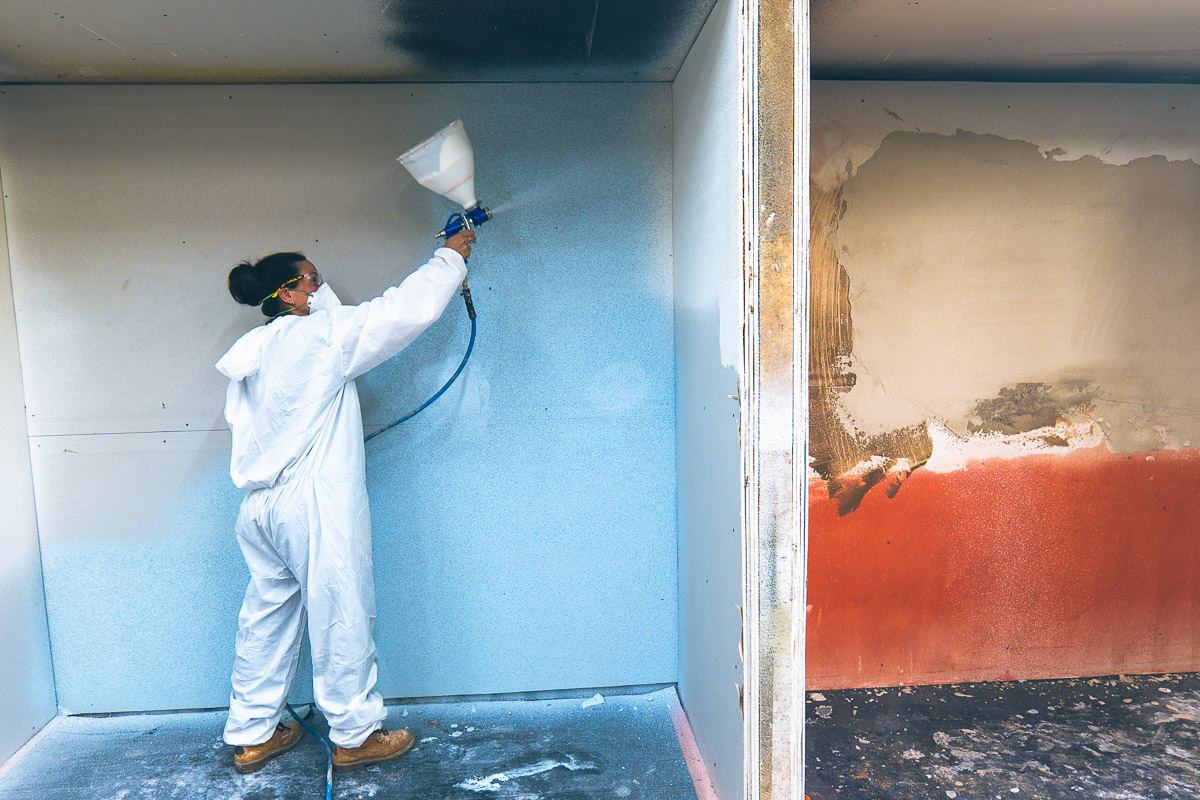
Sprayed cork for suitable exterior walls and façade refurbishment. Assess the condition of the substrate and choose the wall build-up for the job.
Explore SLICS™For applicators
Add specialist cork coatings to the work you already do. Get hands-on training and technical guidance to help you choose, price and deliver suitable jobs.
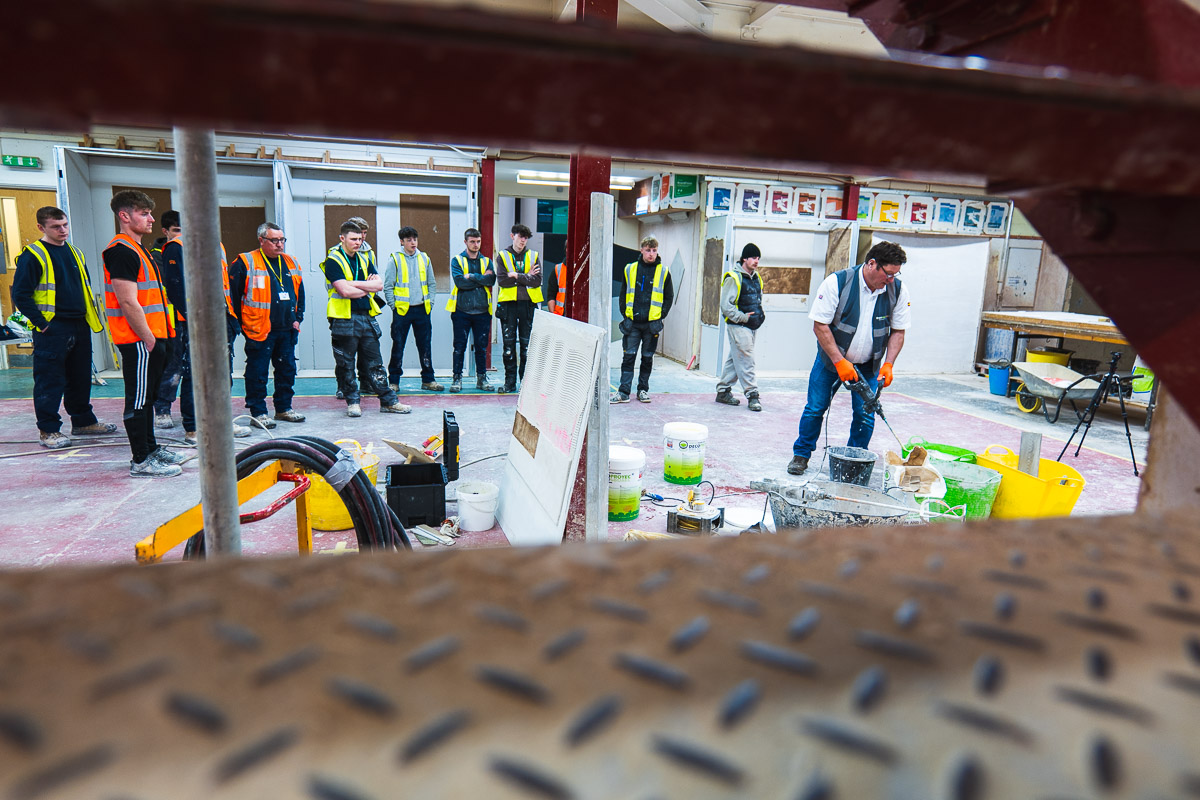
For plasterers, renderers, decorators and roofing contractors, cork can add a specialist option to enquiries you already receive. Look at façade refurbishment, cold internal walls, commercial roof projects and sensitive work on older buildings.
Start with the project types you know and assess the substrate, moisture, access and specification before quoting.
8.5 million solid-wall homes in Great Britain at the end of 2025
DESNZ estimates 7.6 million were uninsulated. These figures describe the housing stock. Suitability for cork depends on the building and the work it needs. Household Energy Efficiency Statistics
Sprayed cork for suitable exterior walls and façade refurbishment. Assess the condition of the substrate and choose the wall build-up for the job.
Explore SLICS™Trowel-applied cork for suitable internal wall projects, including cold walls where a thin build-up is a priority.
Explore TLICS™Sprayed cork thermal protection for suitable commercial roofs, used within a complete waterproofing build-up with the required membrane and details.
Explore roof refurbishmentA heritage route for sensitive refurbishment. Review the existing fabric, moisture and any consent requirements before specifying a cork build-up.
View technical informationView the wall build-up diagrams to see how the layers fit together in internal and external wall systems.
The one-day practical course in Cannock Chase, Staffordshire, covers substrate preparation, equipment setup and application, with coached practice and feedback.
Talk to the Academy about the work you want to take on, what further guidance specialist jobs may need and the steps towards Approved Applicator status.
Match a system to your trade, your customers and the work you already quote.
Work through preparation and application, and discuss the equipment and materials you’ll need.
Check the specification and price labour, preparation, materials and access before committing.
Document finished work and discuss the approval pathway and optional Business Builder support.
Browse applicator resources · Explore the Approved Applicator pathway
Share your trade, where you work and the jobs you’d like to take on. The Academy can help you work out your next step.