
Solutions · High Coastal Resilience
Coastal cork finishes.
Naturally resilient protection.
Explore the system: SLICS-S Coastal Protection brings together the solution, system routes and coastal evidence. Explore Technology & Quality.
Coastal cork render starts with a considered specification. Sea views are a pleasure, but maintaining an exposed frontage can be a challenge.
Salt-laden air, wind-driven rain and persistent damp put exterior finishes under pressure. Explore a cork-based approach that respects your building’s character and puts long-term upkeep at the heart of the specification.
Discuss your coastal property →
Laboratory evidence for coastal exposure
1,000 hours of neutral salt spray.
AIDICO report IT130117 · UNE-EN ISO 9227:2006 · 31 July 2013.
The tested cork-coated fibreglass specimens showed no visible change or observed adhesion defect after 1,000 hours. On the metal specimen, the exposed metal oxidised while the cork-coated face showed no apparent change.
Read the salt-test result and scope →
Open the full laboratory report · PDF, 25 pages →
Open the English manufacturer declaration · PDF →
This historical specimen test supports consideration of sprayed cork in coastal refurbishment. It is not a prediction of service life, corrosion protection for every substrate or certification of a complete rendered masonry façade. Confirm the current grade and project build-up.
Protection rooted in nature
Resilience starts inside the cork.
Cork is the protective bark of the cork oak. Its cell walls contain a high proportion of suberin: a naturally water-repellent polymer with wax-like properties. Alongside natural waxes and cork’s cellular structure, it helps limit water uptake.
These natural properties offer a valuable starting point for exposed buildings. A finished cork coating also depends on its binder, preparation and application. We assess the whole system, including existing salts, substrate condition and weather exposure.
Cork is naturally durable, but no exterior finish lasts indefinitely. A coastal specification must manage moisture, maintain sound detailing and allow appropriate inspection.
Experience that matters
Seven years on. Still clean.
ECOPROCORK reports a property remaining clean seven years after application, with no visible grey or green lichen growth. That is a compelling example of lasting appearance from an individual installation.
We also report high customer satisfaction, including positive feedback from customers comparing their cork finish with previous cement render and painted surfaces.
These are reported project experiences, rather than a guarantee for every property. The seven-year property has not yet been identified in the photographs shown here.
A thoughtful approach to cleaner frontages.
Persistent damp creates opportunities for biological growth. Managing moisture is therefore central to the coastal brief. Cork’s water-repellent properties support that approach; shade, exposure, surface texture and the complete coating formulation also matter.
We help you choose a suitable system and understand the care it needs, with resistance to biological growth considered alongside the building’s exposure.
Compare lifetime upkeep, not just the first coat.
Cement render, monocouche render, silicone render and exterior paints each have their place. Their coastal performance and maintenance needs vary with formulation, installation and exposure.
Some facade finishes use biocides to control biological growth. Research shows these substances can leach into water. Ask about the complete formulation and its care requirements when comparing finishes.
For homes, hotels and historic frontages, repeated access, cleaning and repairs can be disruptive. Our approach is to address existing defects, specify a suitable cork-based finish and plan realistic maintenance from the outset. The aim is lasting appearance and a manageable maintenance burden.
Real coastal projects
See the approach in practice.
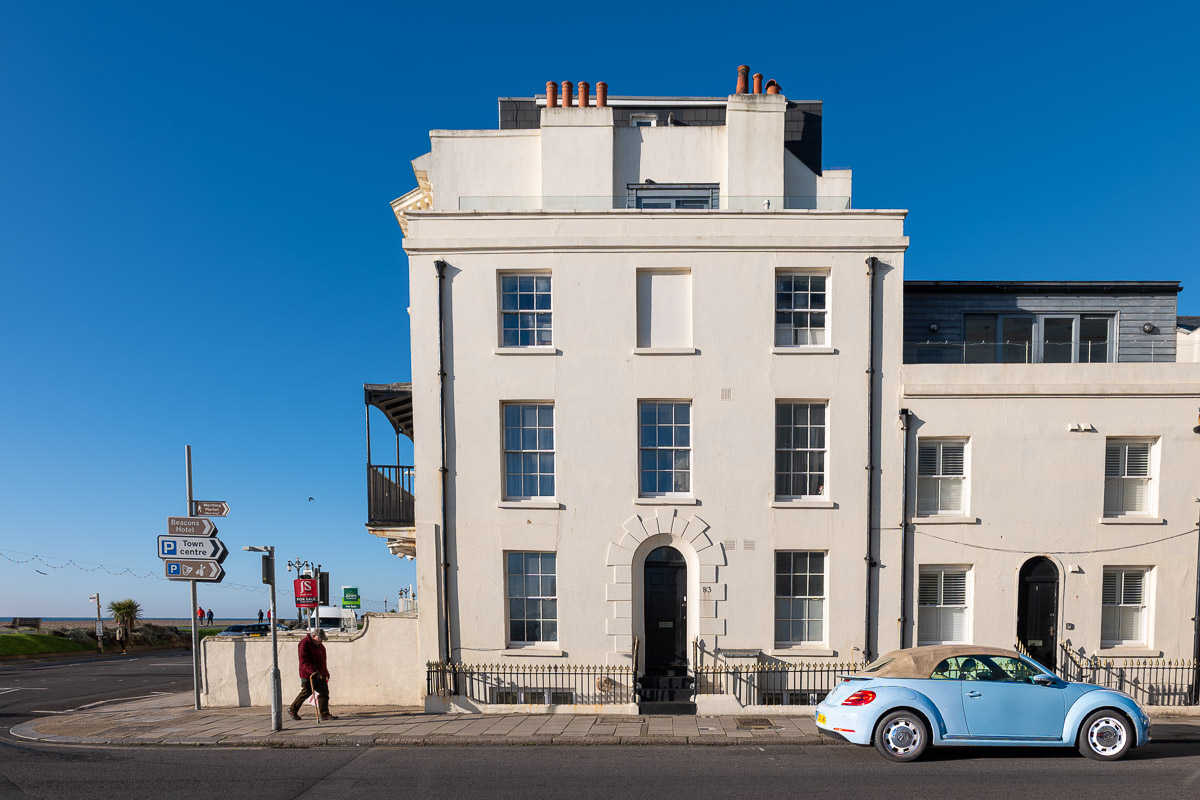
Hove · Heritage frontages
A heritage approach across various properties, with FINO-grade finishes and systems selected for the agreed building brief.
Explore the Hove projects →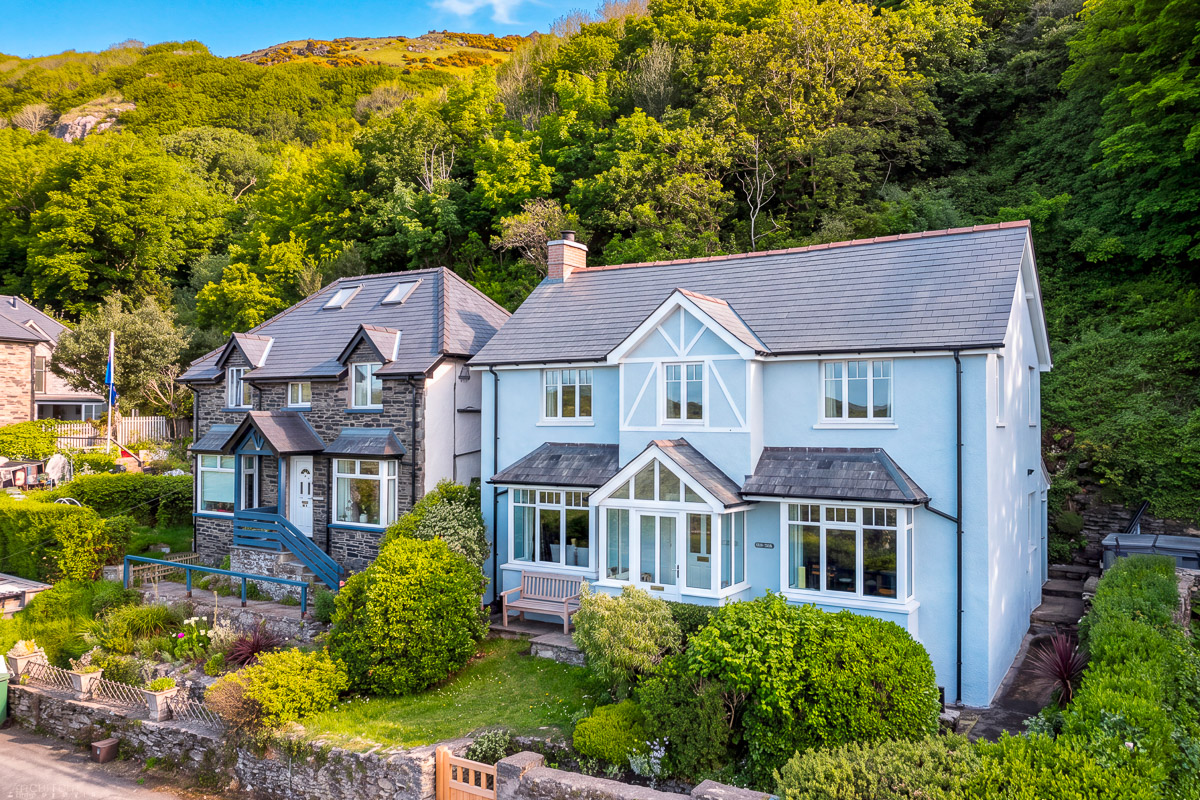
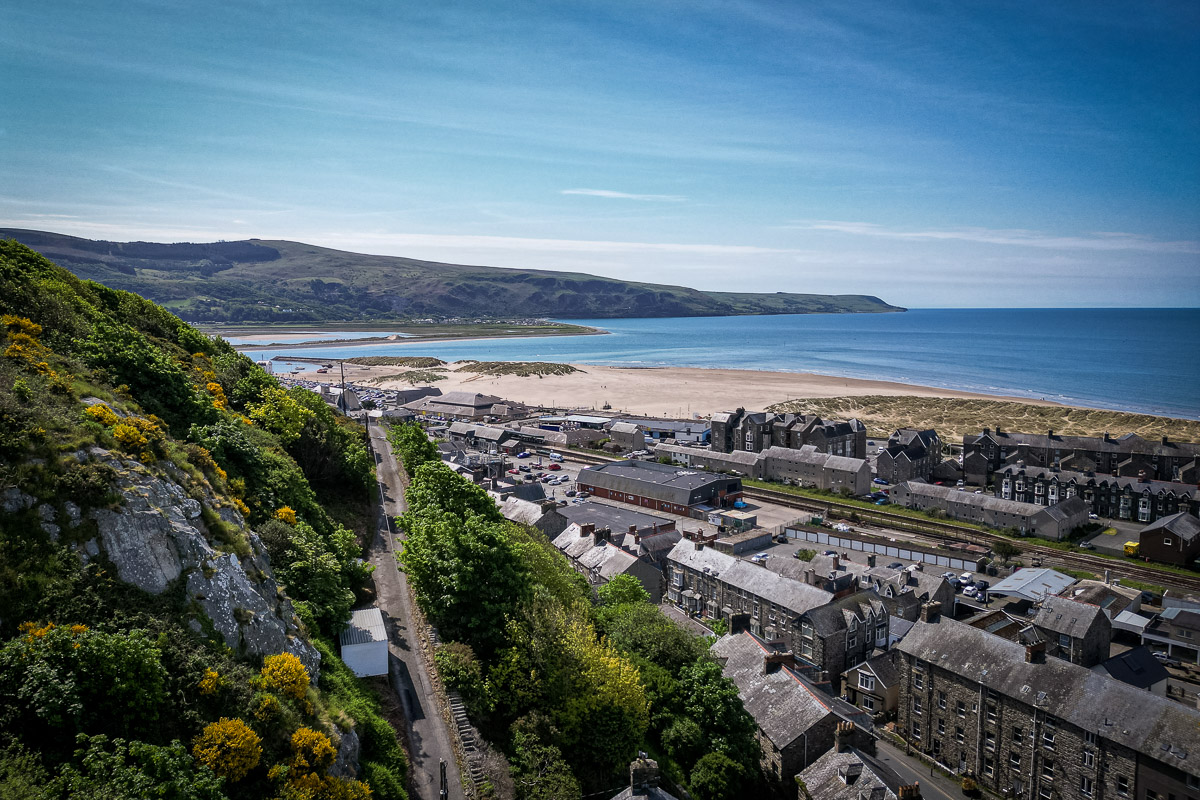
Barmouth · A fresh coastal finish
Sound existing pebble dash retained and refreshed with spray cork, with resilience and appearance among the project priorities.
Explore Barmouth →Give your frontage a considered coastal specification.
Share your location, a few photographs and what you want to improve. We will help you explore the right next step.
Discuss your project →Suitability, expected service life and maintenance requirements are assessed for each property. Appropriate preparation and periodic inspection remain essential.
Research behind the approach
Cork surface properties and water repellency · Biological growth on building coatings · Biocide leaching from facade renders. Material research supports the principles described; it does not independently verify the performance of a particular ECOPROCORK installation.